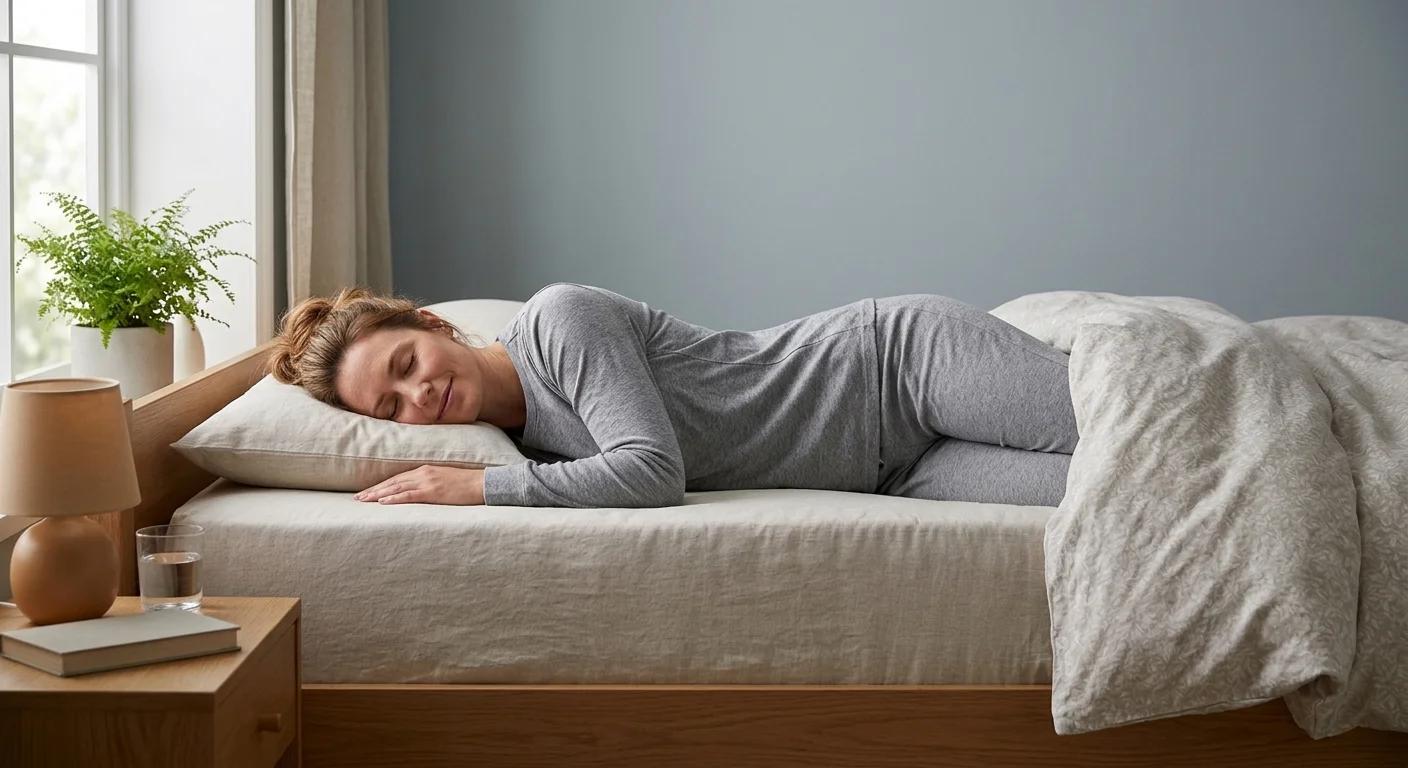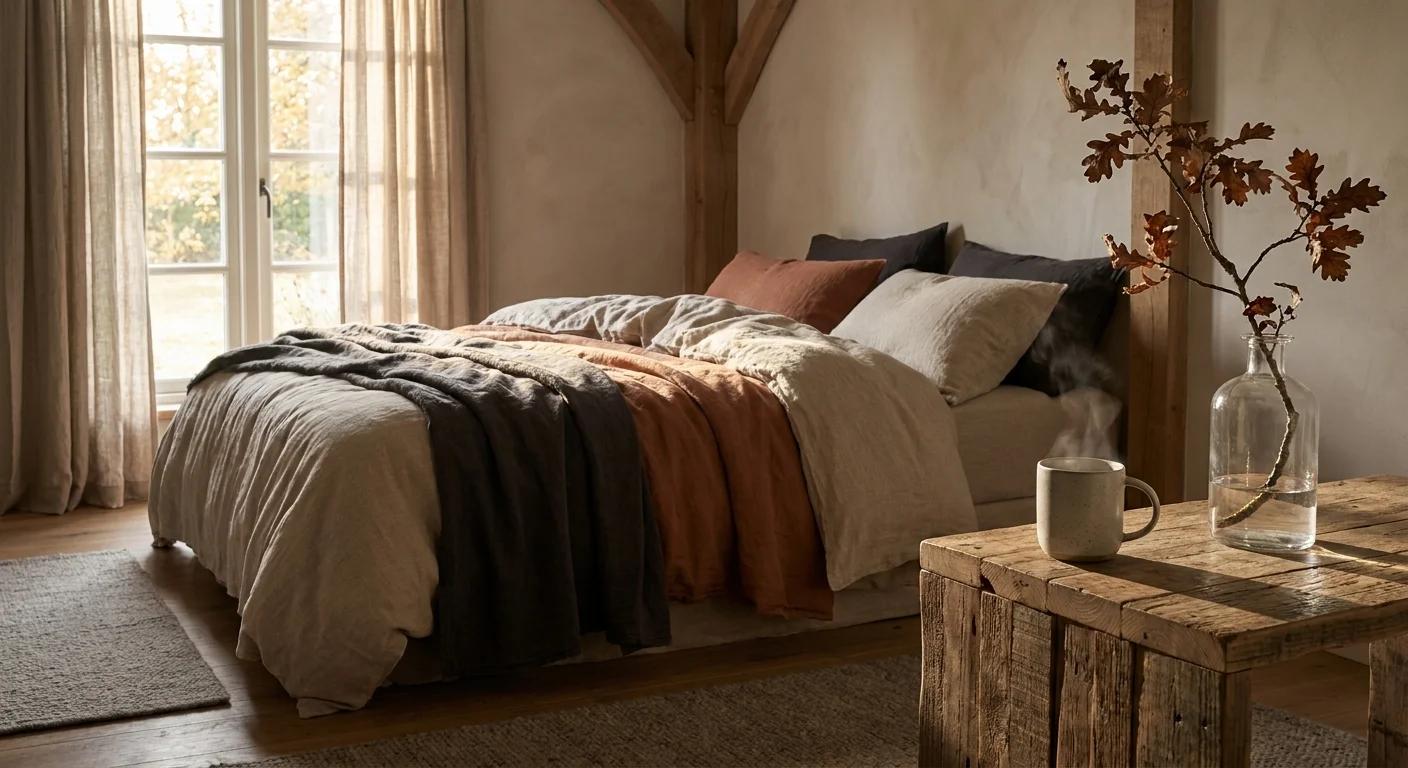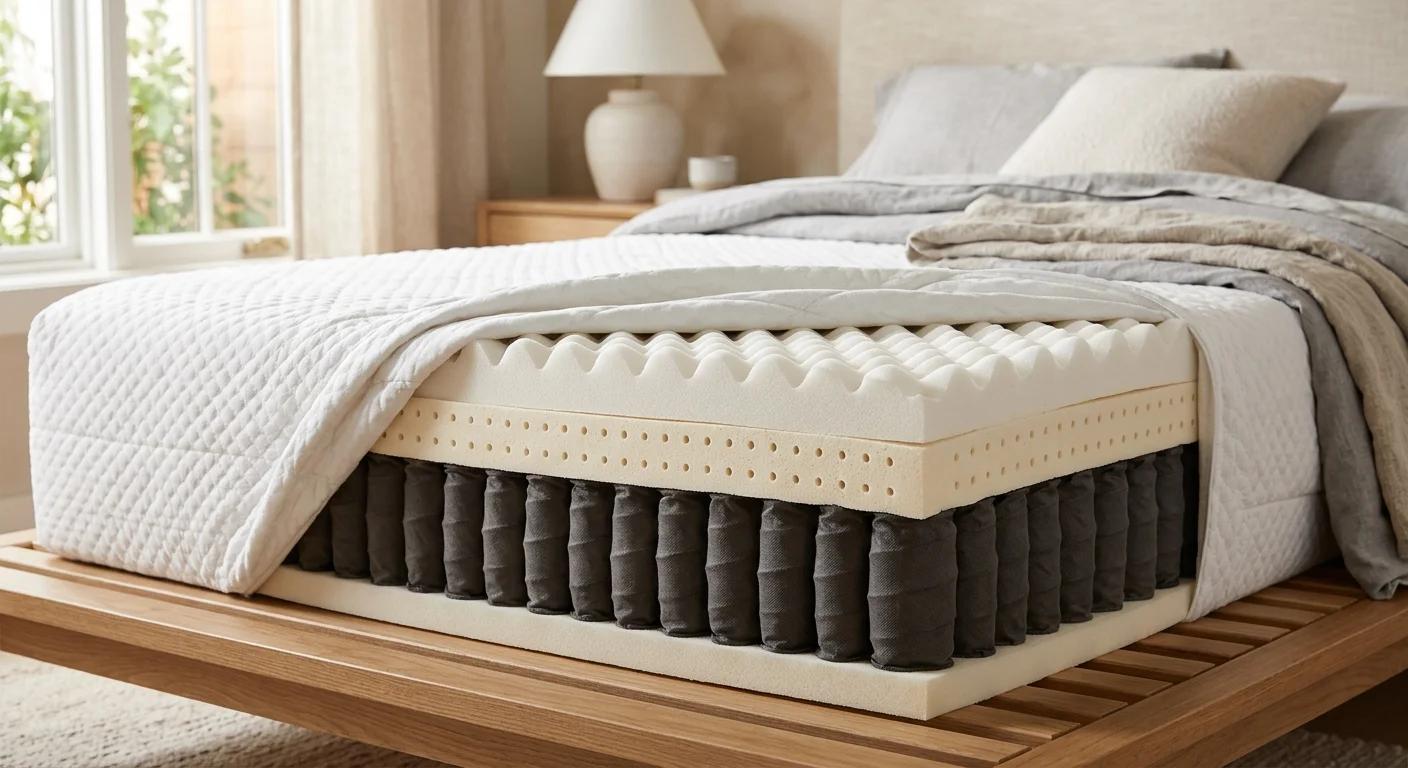
The modern bedroom is more than just a place to rest; it is an intimate sanctuary where interior design intersects with restorative health. Curating this space requires a delicate balance of aesthetic intuition and ergonomic science. Whether you are redesigning your master suite from the ground up or simply seeking reliable lifestyle and wellness advice to elevate your daily routines, the foundation of your bedroom will always be your bed. Beneath the layers of Belgian flax linen and organic percale lies a critical decision that dictates the quality of your sleep: choosing between a latex and a memory foam mattress. Both premium materials offer distinct advantages, but decoding their science, comfort profiles, and styling potential is essential to crafting a truly restorative retreat.
Whether you choose latex or memory foam, knowing how often you should replace your mattress can help you recognize when your current mattress is no longer providing proper support.
The Science of Sleep: Understanding the Materials
Before diving into the nuances of a latex vs. memory foam mattress comparison, it is vital to understand the foundational science behind these two distinct materials. They represent two entirely different approaches to ergonomic support: the deep, yielding contour of synthetic foam versus the buoyant, responsive lift of botanical rubber.
Memory Foam (Viscoelastic Polyurethane)
Originally developed by NASA in the 1960s to cushion astronauts during spaceflight, memory foam is engineered to react to body heat and pressure. It softens upon contact, molding to the exact curvature of the sleeper’s body. This creates a signature "hug" sensation that absorbs kinetic energy and dramatically reduces pressure on the joints.
Natural Latex (Hevea Brasiliensis)
Conversely, natural latex is an eco-friendly material derived from the sap of the rubber tree. It is naturally buoyant, highly responsive, and breathable. In the luxury mattress market, you will typically encounter two manufacturing processes:
Dunlop Latex: Poured in a single mold, this latex is denser at the bottom and firmer overall, making it highly durable and ideal for support cores.
Talalay Latex: Vacuum-sealed and flash-frozen before baking, this process yields a lighter, fluffier, and more consistent cell structure, perfect for plush comfort layers.
Memory Foam: The Ultimate Pressure Reliever
For those who crave the sensation of sleeping in their bed rather than on it, memory foam is the undisputed champion of the bedroom.
The Pros
Memory foam provides unparalleled pressure point relief. By distributing body weight evenly, it absorbs movement, resulting in exceptional motion isolation. If you share a bed with a restless partner, memory foam ensures their tossing and turning won't disturb your slumber. Furthermore, when evaluating a latex vs memory foam mattress for back pain, memory foam often wins for side sleepers. It allows the hips and shoulders to sink deeply into the mattress, filling the lumbar gap and maintaining a neutral spinal alignment.
The Cons
Traditional closed-cell memory foam is notorious for trapping body heat. Additionally, the deep contouring of the foam can make changing positions feel somewhat restrictive—often described by sleepers as a "stuck" feeling.
Modern Innovations
Today’s premium brands have largely solved the heat issue by integrating Phase Change Materials (PCMs), graphite, and copper-gel infusions to actively draw heat away from the body. When shopping, always look for CertiPUR-US® certified foams to ensure your mattress is free of ozone depleters and heavy metals, which mitigates the chemical off-gassing odors associated with older, cheaper foam models.
Once you've decided which mattress material suits your needs, check the best time to buy a mattress in the US to find potential savings.
Natural Latex: Eco-Friendly Bounce and Breathability
If memory foam is about yielding contour, natural latex is about dynamic, responsive support. It is the material of choice for eco-conscious homeowners and those who prefer a cooler, more buoyant sleep surface.
The Pros
Latex features a naturally open-cell structure, making it incredibly breathable and ideal for hot sleepers. It is naturally hypoallergenic, resistant to dust mites, and exceptionally durable—often outlasting memory foam by a decade or more. For those curating a green home, GOLS (Global Organic Latex Standard) certified latex paired with an organic cotton cover and a New Zealand wool fire barrier represents the pinnacle of sustainable luxury.
The Cons
Natural latex is incredibly heavy, making the mattress difficult to rotate or move. It also commands a higher price point due to the labor-intensive, sustainable harvesting process. Because it has more "bounce," its motion isolation isn't quite as absolute as memory foam.
Who it Suits
Combination sleepers who change positions frequently will appreciate the immediate "push-back" support of latex. While rare, some brands offer a latex memory foam mattress hybrid, attempting to blend the buoyant top layer of latex with the deep contouring core of memory foam. However, most luxury setups prefer pairing latex with individually pocketed coils (up to 1,000+ count) for maximum airflow and reinforced edge support.
Spatial Planning and Bedroom Styling
Selecting the right mattress material is only half the equation; the other half is spatial harmony. A mattress must anchor the room without overwhelming the floor plan. Before finalizing your material, you must ensure the dimensions fit your architecture—especially when debating a king vs. California king for your master suite.
A Standard King (76" W x 80" L) offers expansive width, making it ideal for wider, squarer rooms (minimum 12' x 12') and couples who want maximum personal sleeping space. A California King (72" W x 84" L) sacrifices a few inches of width for extra length, perfectly suiting taller individuals and narrower, longer bedrooms.
Once the size and material are selected, styling the bed is paramount. The aesthetic of your bedding should complement the functional properties of your mattress. If you opt for a memory foam bed, dress it in highly breathable, temperature-neutral fabrics like crisp organic percale cotton or moisture-wicking bamboo to offset any residual heat retention. For a natural latex mattress, lean into the organic, earthy aesthetic with rumpled Belgian flax linen and a lightweight OEKO-TEX® certified wool throw.
Your mattress material can influence comfort and support, but your sleeping posture matters too; explore the best sleeping position for back pain when comparing your options.
The Topper Alternative: Testing the Waters
If you are intrigued by the ergonomic benefits of these materials but are not quite ready to invest $1,500 or more in a brand-new mattress, a topper is an elegant, low-commitment solution.
When comparing a latex vs. memory foam mattress topper, the same ergonomic rules apply. A 2-to-3-inch gel-infused memory foam topper is perfect for softening an innerspring bed that feels too firm, providing that signature plush contour. Conversely, if your current bed feels unsupportive or "dead," a mattress topper latex vs memory foam debate usually ends with latex. Adding a 20 ILD (Indentation Load Deflection) Talalay latex topper will instantly add buoyant, cooling bounce to a sagging mattress.
According to latex vs memory foam mattress topper reviews, durability is a key differentiator; latex toppers maintain their shape and resilience for years, whereas foam toppers may degrade or permanently compress faster. A glance at any latex vs memory foam mattress Reddit thread or latex vs memory foam mattress topper Reddit discussion will confirm that real-world users highly value latex for its longevity and lack of chemical off-gassing, while memory foam remains the darling of those seeking immediate, cloud-like joint relief.
At-a-Glance Material Comparison
To help streamline your decision-making process, here is a breakdown of how these two premium materials compare across key sleep metrics:
Feature | Memory Foam | Natural Latex |
|---|---|---|
Primary Feel | Deep contouring, "sleeping in" the bed | Buoyant, responsive, "sleeping on" the bed |
Pressure Relief | Excellent (Best for side sleepers/joint pain) | Very Good (Best for back/stomach sleepers) |
Temperature | Tends to trap heat (unless gel-infused) | Naturally cooling and breathable |
Motion Isolation | Superior (Virtually zero motion transfer) | Moderate (Has natural bounce) |
Durability | 7 to 10 years | 15+ years |
Price Point | Accessible to Premium | Premium to Luxury |
If you're still comparing materials, firmness, and support, read this guide on how to choose a mattress in 2026 before making your final decision.
Frequently Asked Questions
Latex vs memory foam mattress for back pain: which is better?
It depends on your sleep position. Side sleepers with back pain usually prefer memory foam, as it allows the hips and shoulders to sink, keeping the spine straight. Back and stomach sleepers generally fare better on latex, as its firmer "push-back" prevents the hips from sinking too deeply out of alignment.
Do natural latex mattresses smell?
New natural latex mattresses have a faint, sweet, vanilla-like rubber scent when first unboxed. Unlike the chemical off-gassing associated with synthetic memory foams, this natural scent is harmless and typically dissipates within a few days in a well-ventilated room.
Are firmness scales the same for both materials?
Not exactly. Firmness in latex is measured by ILD (Indentation Load Deflection). A soft latex (14-22 ILD) will still feel more responsive and bouncy than a soft memory foam, which will feel more like sinking into a slow-moving cloud.
Can I put a memory foam topper on a latex mattress?
Absolutely. Many sleepers create their own DIY hybrid by placing a plush memory foam topper over a firm, durable Dunlop latex mattress. This provides the deep pressure relief of foam with the unyielding, supportive core of latex.
Conclusion: Which is Better for Your Sanctuary?
Ultimately, when asking the question latex vs memory foam mattress which is better, the answer lies not in a definitive winner, but in your personal ergonomic needs and lifestyle values. If you prioritize deep pressure relief, motion isolation, and that signature enveloping "hug," memory foam is your ideal match. If you value eco-friendly materials, natural breathability, and responsive bounce, natural latex is a worthy, long-lasting investment for your home.
Your mattress is not merely a utility; it is a foundational investment in your daily well-being and the ultimate centerpiece of your bedroom sanctuary. Take the time to evaluate your sleep habits, choose the material that aligns with your body’s unique needs, dress it in beautiful, breathable textiles, and reclaim the restorative sleep you deserve.