Picture the ultimate modern sanctuary: soft ambient lighting casting a warm, cinematic glow, richly textured linens draped effortlessly across the bed, and a minimalist design that breathes tranquility into the space. Yet, the most visually stunning bedroom in the world is rendered obsolete if you wake up each morning with an aching lumbar spine. When curating a home that truly serves as a restorative retreat, we often turn to expert lifestyle and wellness advice to harmonize aesthetics with health. True luxury means your bedroom doesn't just look beautiful—it actively restores your body at a cellular level. For decades, a persistent myth has dictated how we approach this foundational element of the bedroom, leading many to wonder: Is a firm mattress better for your back? Today, we are dismantling outdated orthopedic myths, exploring the material science of sleep, and offering actionable insights on curating a bed that is as ergonomically sound as it is visually captivating.
If your mattress no longer provides adequate support or contributes to discomfort, learn how often you should replace your mattress and which warning signs to watch for.
The Anatomy of Rest: Is a Firm Mattress Better for Your Back?
For generations, the standard medical advice for a sore lumbar region was to sleep on a board-stiff bed. This historical directive has left countless design-conscious homeowners asking: Is a super firm mattress better for your back? Modern biomechanics and ergonomic science have resoundingly debunked this "harder is healthier" philosophy.
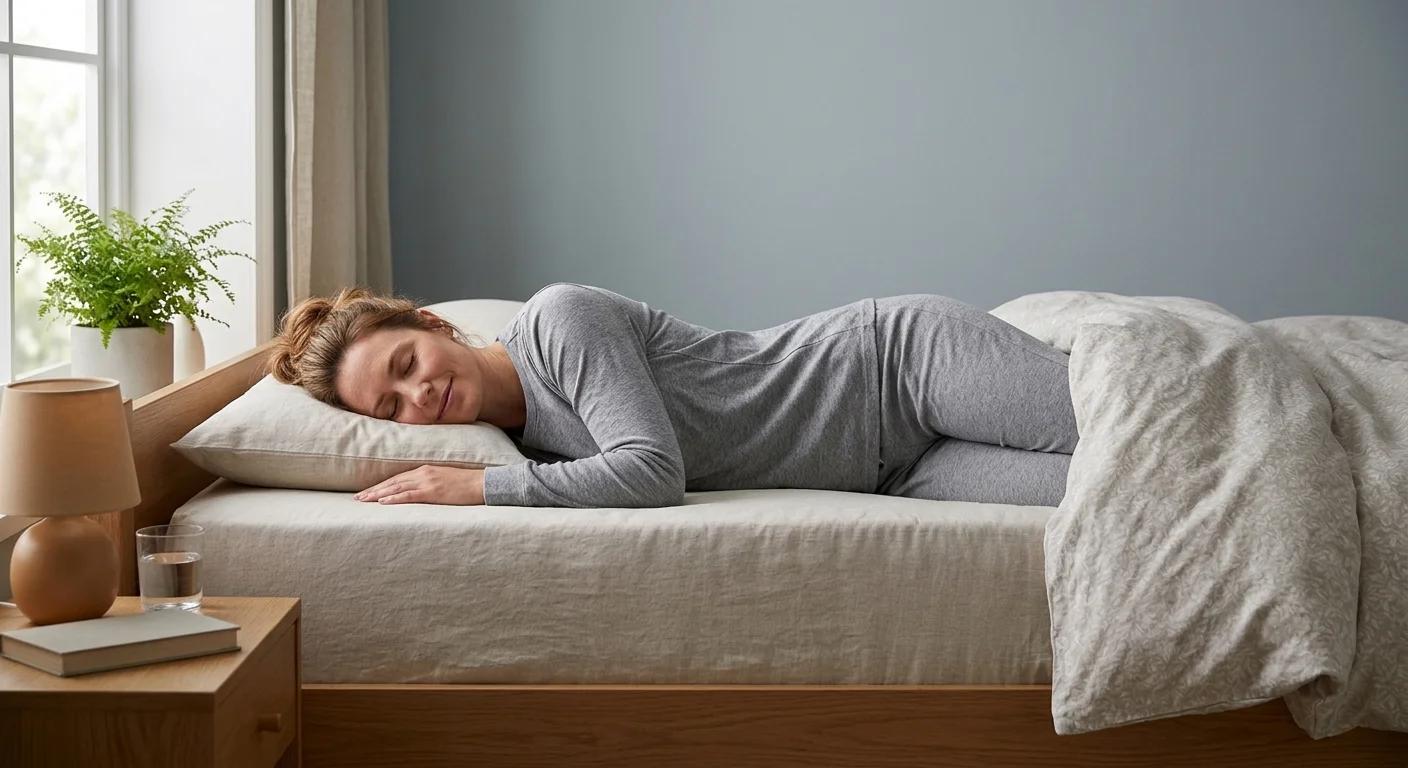
The ultimate goal of any sleep surface is to maintain the neutral spine principle. When you lie down, your mattress should support the natural cervical, thoracic, and lumbar curves of your spine, mimicking your posture when standing straight. A mattress that is too firm (ranking an 8 to 10 on the firmness scale) behaves like a marble floor. It creates intense pressure points at the hips and shoulders, forcing the lumbar spine into an unsupported, unnatural bridge. Your muscles spend the entire night tensing to compensate for this gap, leading to morning stiffness and chronic fatigue.
Conversely, you might wonder: Is a firm or soft mattress better for your back? The "plush pitfall" of an overly soft bed (a 1 to 3 on the scale) is equally detrimental. Without adequate pushback, the heavier parts of the body—specifically the pelvis—sink deeply into the materials. This creates a hammock effect, throwing the spine out of alignment and severely straining the lower back muscles. The answer lies not in extremes, but in the nuanced engineering of the bed's core.
Decoding the Core: Materials That Master Spinal Alignment
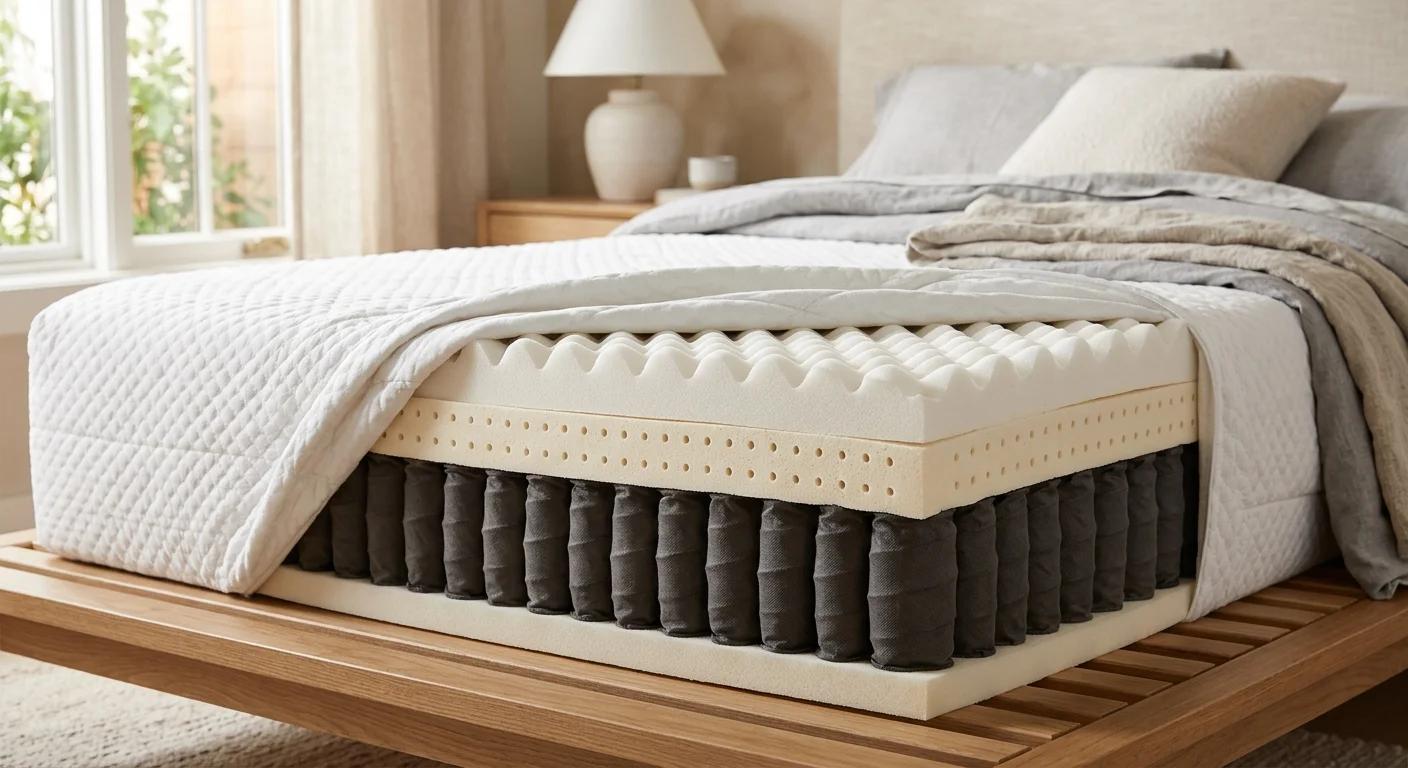
Understanding what lies beneath your sheets is crucial to achieving restorative rest. The architectural core of your bed dictates its performance, and modern material science offers sophisticated solutions to the age-old question: is a firm or plush mattress better for your back? The secret is that you do not have to choose just one; the most luxurious beds combine a firm, supportive core with a plush, pressure-relieving comfort layer.
Pocketed Coils (The Innerspring Evolution): Gone are the days of interconnected, squeaky springs. Modern luxury mattresses utilize individually wrapped coils made of tempered steel. These provide zoned support—often engineered to be firmer in the center third to buoy the lumbar region, and slightly softer at the shoulders to allow for comfortable compression. They also offer excellent motion isolation, ensuring your partner's movements don't disrupt your sleep cycle.
Natural Latex (Dunlop & Talalay): Sourced from the sap of rubber trees, latex is a marvel of sleep science. Dunlop latex is dense and durable, making it an ideal foundational layer. Talalay latex, on the other hand, is buoyant and highly breathable. It offers a responsive, "on top of the bed" feel that gently contours to the body while actively aiding spinal alignment.
High-Density Memory Foam: Viscoelastic polyurethane foam is renowned for its unparalleled pressure relief. However, to prevent the dreaded sinking feeling that exacerbates spinal misalignment, it must be strategically layered over a high-density polyfoam or pocketed coil core.
If you decide that a different firmness level or a new mattress is necessary, check the best time to buy a mattress in the US to find potential savings.
The Sweet Spot: Why "Medium-Firm" Wins the Debate
When we strip away the marketing jargon and look at orthopedic consensus, a clear winner emerges. For the vast majority of sleepers, a medium-firm feel (typically a 5 to 7 on a 10-point firmness scale) is universally accommodating. Navigating the complex relationship between your mattress and back pain requires understanding how different support cores interact with your specific body weight and preferred sleep position.
So, is a medium-firm mattress better for your back? Absolutely. A medium-firm surface strikes the perfect ergonomic balance. It allows the broader, more angular parts of the body (like the shoulders and hips) to sink just enough to relieve pressure, while keeping the heavier pelvis elevated. This equilibrium protects the natural curvature of the spine.
Furthermore, if you are specifically wondering, is a firm mattress better for your lower back?, the answer hinges entirely on this medium-firm sweet spot. The lower back requires active pushback to prevent the lumbar region from collapsing downward. A medium-firm hybrid mattress—combining zoned pocketed coils with a responsive latex or dense memory foam top—provides the exact targeted support the lower back craves, without sacrificing the plush, cloud-like comfort that makes climbing into bed a luxury experience.
Firmness Scale & Sleep Position Guide
To simplify the selection process, use this matrix to determine how firmness levels interact with different body types and sleep styles.
Firmness Scale (1-10) | Feel Description | Best Suited For (Sleep Position & Body Type) | Ideal Material Construction | Impact on Spinal Alignment |
|---|---|---|---|---|
1 - 3 (Soft) | Deep contouring, plush, sinking sensation. | Lightweight side sleepers (under 130 lbs). | Thick memory foam comfort layers over polyfoam. | Poor for most; causes the pelvis to sink and strains the lower back. |
4 - 6 (Medium) | Balanced contouring with moderate pushback. | Side and combination sleepers of average weight. | Talalay latex or memory foam over pocketed coils. | Excellent; allows shoulders to compress while supporting the waist. |
6 - 8 (Medium-Firm) | Supportive, "on top of the bed" feel. | Back sleepers, stomach sleepers, and couples. | Zoned pocketed coils with Dunlop latex or dense foam. | Optimal; maintains the neutral spine and prevents lumbar bridging. |
8 - 10 (Firm) | Very rigid, minimal give or contouring. | Heavyweight stomach sleepers (over 230 lbs). | High-density polyfoam or continuous coil systems. | Can cause joint pain and force the lower back out of alignment for average sleepers. |
The material also affects how a mattress feels and supports your body, so compare latex vs. memory foam mattresses before choosing between different firmness options.
Real-World Insights: What Sleepers Are Actually Saying
While biomechanical data provides a fantastic baseline, real-world sleeper feedback grounds this science in reality. If you scour sleep forums and community discussions searching for is a firm mattress better for your back " on Reddit, you will uncover a fascinating consensus that mirrors orthopedic advice.
The overarching sentiment is that side sleepers who purchase "super firm" beds almost universally regret the decision, citing numb arms, tingling fingers, and aching hips. Conversely, strict stomach and back sleepers frequently praise firmer surfaces for preventing their midsections from bowing into the mattress.
Ultimately, is sleeping on a firm mattress better for your back? The community and the science agree: it depends entirely on your primary sleep position and your body mass index (BMI). A heavier individual will naturally compress a mattress more, making a firm bed feel medium-firm to them. A lighter individual will barely make a dent in a firm bed, resulting in a rigid, uncomfortable night. The key is finding the firmness level that yields a neutral spine for your specific body.
Styling the Ergonomic Sanctuary: Linens, Wool, and Spatial Harmony
Once you have secured the perfect medium-firm foundation, the focus shifts back to the design-conscious elements of the bedroom. How do you dress a highly supportive, ergonomically sound mattress so that it mimics the aesthetic of a five-star luxury hotel?
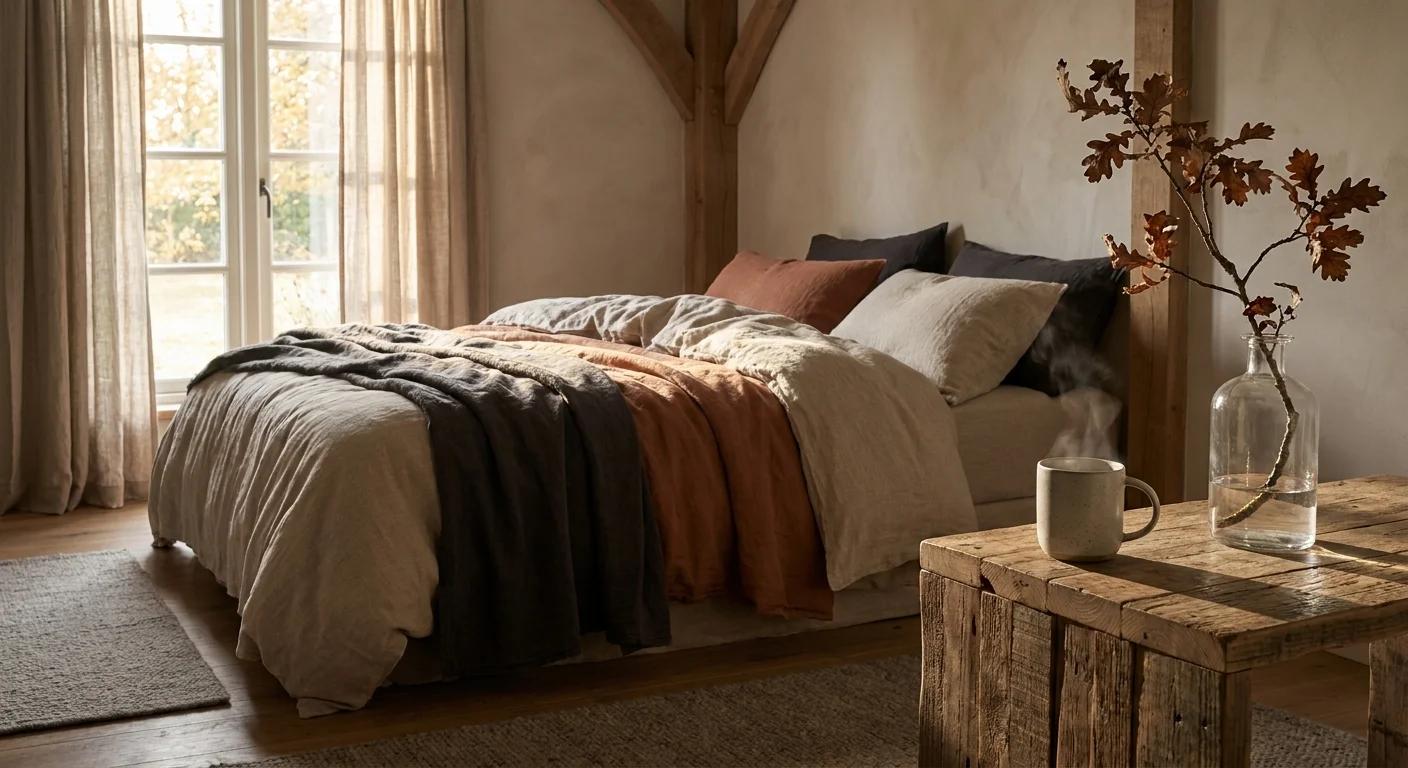
Begin with temperature-neutral fabrics. Dressing the bed in high-quality Belgian linen offers a relaxed, effortlessly textured drape that is highly breathable and moisture-wicking. Linen's natural crinkle adds a layer of visual warmth and sophisticated wabi-sabi charm to the room. To elevate the comfort layer further, consider an organic New Zealand wool mattress topper or blanket. Wool acts as a natural microclimate regulator, helping to keep the sleep environment at the optimal temperature of 60°F to 67°F (15°C - 19°C), which facilitates the body's natural drop in core temperature for deep, uninterrupted sleep.
Finally, a well-designed bedroom requires spatial harmony. To reduce visual clutter and the subconscious psychological stress that can impede sleep quality, ensure a minimum of 30 to 36 inches of clearance around the sides and foot of the bed. This spatial flow transforms the room from a mere sleeping quarter into a breathable, restorative sanctuary.
Before deciding whether a firm mattress is right for your back, understand the mattress firmness scale and how different comfort levels feel.
Frequently Asked Questions
Is a firm mattress good for your back if you are a side sleeper?
Generally, no. Side sleepers need a mattress with enough "give" to allow their shoulders and hips to sink in slightly. A mattress that is too firm will cause pressure build-up in these areas and force the spine out of alignment. A medium to medium-soft feel is usually best for side sleepers.
Is a firmer mattress better for your back if you have a high BMI?
Yes. Individuals with a higher body weight (typically over 230 lbs) exert more pressure on a mattress. A firmer support core (like heavy-duty pocketed coils or dense Dunlop latex) is required to prevent the body from sinking too deeply and throwing the spine out of its neutral posture.
Can a mattress topper fix a bed that is too firm?
Absolutely. If you find yourself stuck with a mattress that feels like a slab of concrete, adding a 2- to 3-inch topper made of plush Talalay latex or low-density memory foam can provide the necessary pressure relief while allowing you to benefit from the firm support core underneath.
How often should I replace my mattress to maintain back health?
Even the most luxurious mattresses degrade over time. As a general rule, you should evaluate your mattress every 7 to 10 years. If you notice visible sagging, or if you consistently wake up with lower back stiffness that dissipates as the day goes on, it is likely time for an upgrade.
Conclusion
The quest for the perfect night’s sleep is an intimate intersection of medical science and interior elegance. When asking whether a firm mattress is better for your back, we now know the answer is deeply nuanced. It is not about seeking out the hardest surface available, but rather finding the delicate balance between a robust, supportive core and a contouring, luxurious comfort layer. By prioritizing your spinal alignment, investing in quality materials like pocketed coils and natural latex, and styling your space with breathable linens and spatial harmony, you do more than just decorate a room. You curate a true restorative sanctuary that honors both your design sensibilities and your long-term health.