As the evening light shifts to a bruised gold and the air turns crisp, our internal compass naturally points toward the bedroom. It is the one space where the "Quiet Autumn" aesthetic, a design movement favoring sensory depth over seasonal clichés, truly thrives. You do not need a massive budget or a storage unit full of plastic pumpkins to master fall bedroom decor ideas: you simply need to understand the mechanics of visual weight and thermal comfort. The central question for most homeowners is how to transition a breezy summer sanctuary into a cocoon-like retreat without overspending on trendy retailer hauls. This guide provides a blueprint for achieving a high-end, organic modern look using strategic textile layering, specific lighting temperatures, and foraged elements that evoke the season through texture rather than literal motifs.
Quick Answer / Key Takeaway
Prioritize texture over theme: Swap "Fall" signage for tactile materials like bouclé, velvet, and chunky wool to create a sophisticated, non-kitschy vibe.
The 2700K rule: Instantly warm the room by swapping cool-toned bulbs for 2700K warm white or 2200K amber LEDs.
Layer, do not replace: Keep your white summer duvet but add a textured quilt and a heavy throw at the foot of the bed using the "European Fold."
Increase the tog: Transition from a 4.5 tog summer duvet to a 10.5 tog rating for optimal autumn thermal insulation.
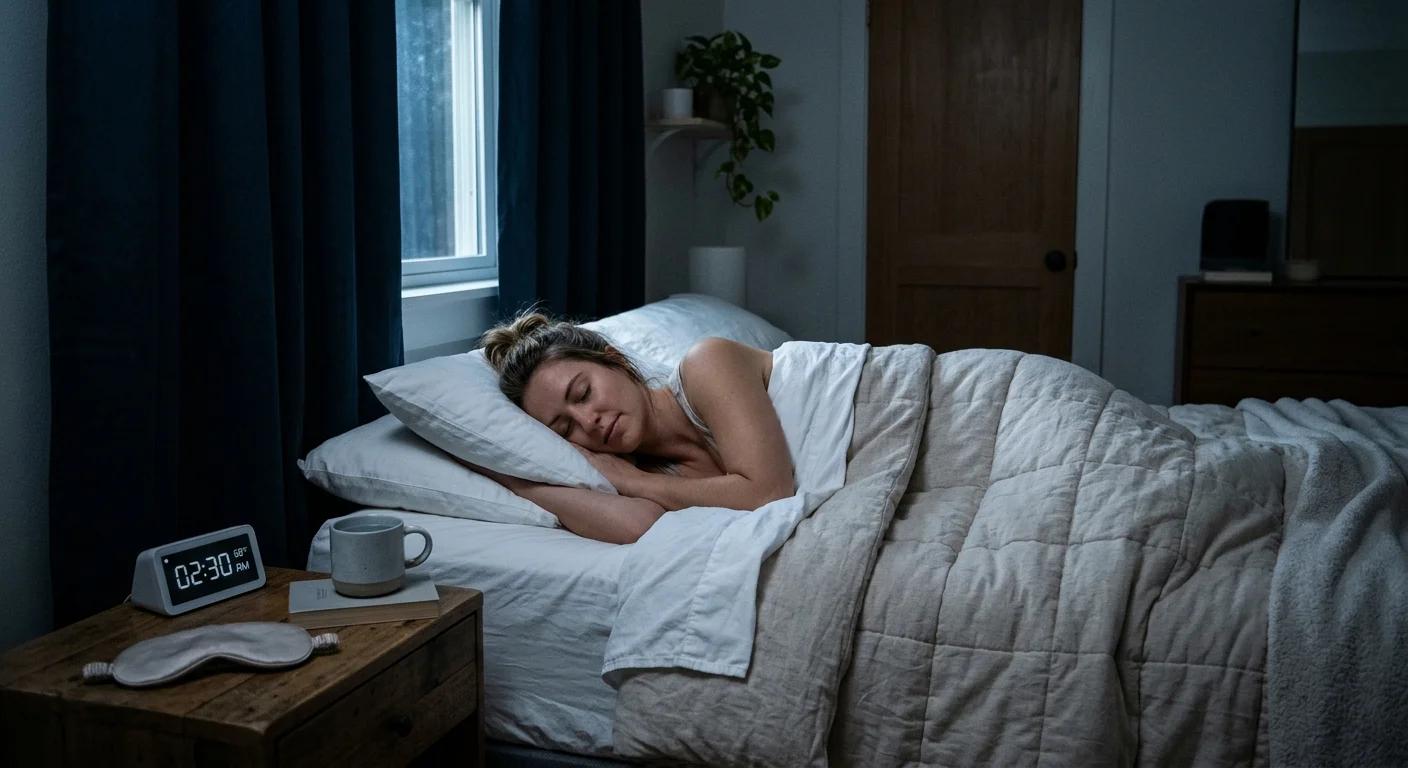
A cozy bedroom should look inviting and support restful sleep, so explore these science-backed ways to fall asleep faster for better nighttime habits.
Summer vs. Fall Bedroom Transition Matrix
Feature | Summer specification | Fall/autumn specification | Impact level |
|---|---|---|---|
Duvet tog rating | 4.5 Tog (Lightweight/Cool) | 10.5 Tog (Medium/Warm) | High |
Light temperature | 3000K - 4000K (Bright/Cool) | 2200K - 2700K (Amber/Warm) | High |
Primary texture | Smooth Percale / Linen | Waffle Knit / Velvet / Wool | Medium |
Color palette | High-Contrast Whites/Blues | Muted Earth Tones / Jewel Tones | Medium |
Window treatment | Sheer / Light Filtering | Layered Velvet / Blackout | Low |
The Art of the Layered Bed: Achieving High-End Comfort
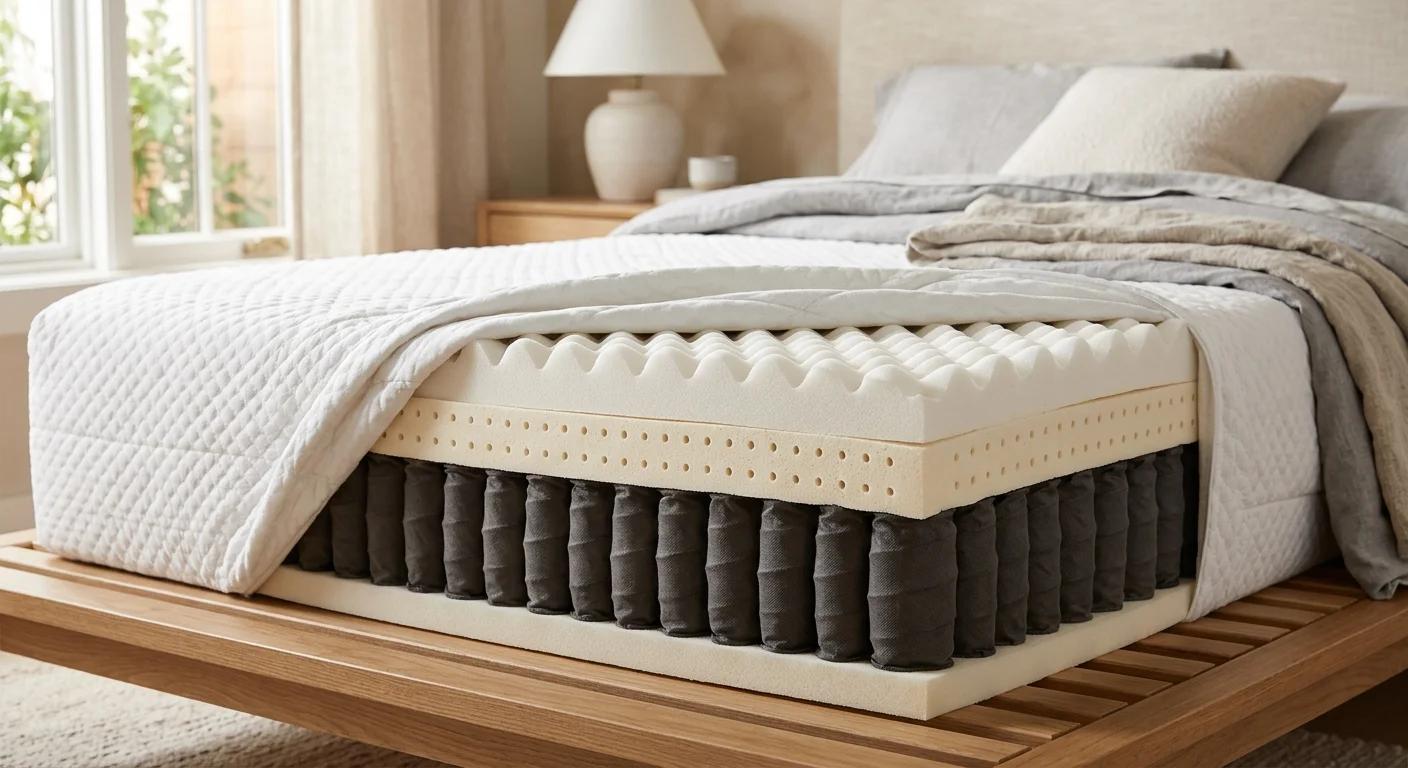
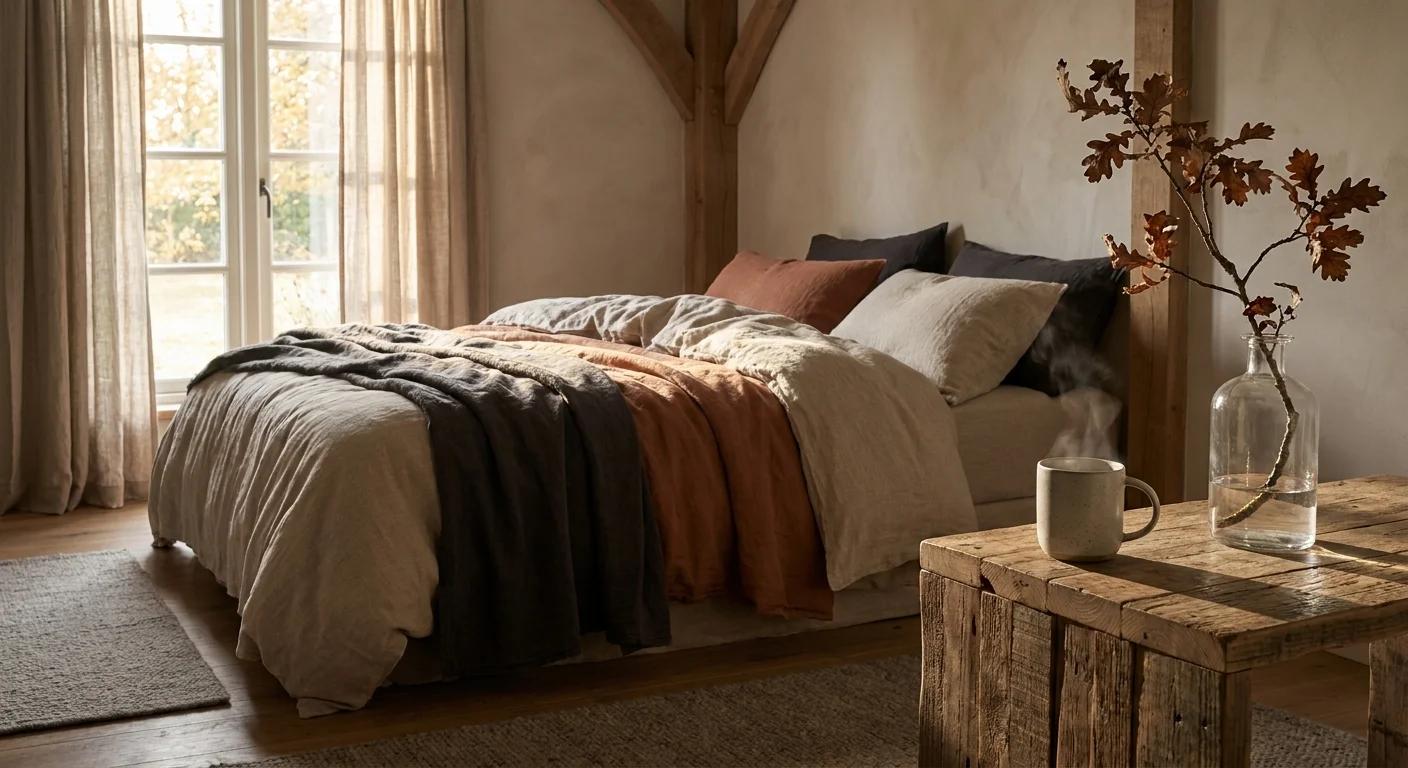
To make a budget bed look professionally styled, you must apply the "Rule of Three" for textures. This principle dictates that a visually successful bed requires three distinct tactile finishes to create depth. You should start with a smooth cotton or linen base for your sheets. Next, add a middle layer with a visible weave, such as a quilted coverlet or a waffle-knit blanket. Finally, finish the look with a chunky accent, like a heavy wool throw or a faux-fur runner. This combination prevents the bed from looking flat and signals a shift toward colder weather.
The European Fold is a specific styling technique that designers use to create an inviting, plush appearance. Instead of pulling the duvet all the way to the headboard, you fold it halfway down the bed. This exposes the sheets and the middle quilt layer, which creates immediate visual interest. It also makes the bed look more substantial without the need for an expensive, oversized insert. This method is particularly effective for those who want to learn how to layer bedding for fall without purchasing an entirely new set of linens.
For those on a strict budget, you can achieve the weight and texture of high-end brands like Restoration Hardware by selecting specific pieces from accessible retailers. The Target Casaluna Heavyweight Linen Blend Quilt, which typically costs approximately $80 for a Full/Queen size, serves as an excellent middle layer. It provides the necessary heft and a sophisticated, slightly rumpled texture that mimics much more expensive European imports. This single addition can anchor your entire fall bedroom decor ideas strategy.
Choosing the right duvet tog
The "Tog" system is a measure of thermal resistance. In the summer, a 4.5 tog duvet is standard because it allows heat to escape. As the temperature drops, you should transition to a 10.5 tog rating. This is the industry standard for the autumn transition, as it provides enough insulation for 50°F to 65°F nights without causing overheating. When you select a new insert, prioritize 100% cotton or bamboo shells. These natural materials offer superior breathability compared to cheap polyester, which often traps moisture and leads to an uncomfortable, clammy sleep.
The triple-sheet Method
The triple-sheet method is a hotel-inspired technique that adds visual weight to a bed without the cost of a new duvet cover. You place a thin, decorative blanket or a lightweight quilt between two flat sheets. This creates a crisp, layered look at the top of the bed when you fold the sheets back. It also adds an extra layer of insulation that you can easily remove if the night is warmer than expected. This technique is a favorite for budget-friendly fall bedroom decor ideas because it utilizes items you likely already own in your linen closet.
Beyond seasonal decorations, simple changes to your bedroom environment can support better rest; explore these sleep hygiene habits for a healthier sleep routine.
Lighting Science: From 2700K to Amber Glow
Fall coziness is often destroyed by the use of "the big light." Overhead lighting is functional but lacks the nuance required for a retreat-like atmosphere. To master warm lighting ideas for cozy bedroom design, you must focus on creating "pools of light" at different heights. This involves using a combination of bedside lamps, floor lamps, and even small accent lights on dressers or bookshelves. When light comes from multiple sources at eye level or lower, it creates shadows and highlights that make a room feel more intimate and secure.
The most important technical aspect of autumn lighting is the Kelvin (K) rating of your bulbs. Most standard "soft white" bulbs are 3000K, which can feel too clinical as the days get shorter. Shifting to 2700K (warm white) or even 2200K (amber/candlelight) is the fastest way to signal the brain that it is time for rest. This warmer spectrum mimics the glow of a fireplace or a sunset. You can easily achieve this by swapping your standard bulbs for Philips Hue White Ambiance bulbs. These allow you to program a "sunset" fade that gradually warms and dims the light to match the shortening autumn days.
Secondary light sources
Beyond traditional lamps, secondary light sources play a significant role in autumn styling. Small brass picture lights mounted above headboards or artwork add a touch of old-world luxury. Himalayan salt lamps are another affordable option: they emit a natural, low-level amber glow that is perfect for late-night reading. Designers often consider 2200K bulbs their secret weapon for autumn. These bulbs produce a deep, golden light that makes even the simplest room feel like a high-end lodge.
Scentscaping with safety
As you transition your bedroom, your "scentscape" should also shift. Move away from the bright citrus and linen notes of summer toward woodsy, spiced, or resinous scents like cedarwood, sandalwood, and amber. However, safety is a concern when you introduce more textiles like heavy throws and rugs. Instead of leaving open flames unattended, use a halogen candle warmer lamp. These devices use heat from a bulb to melt the wax, which releases the scent and provides a warm, steady glow without the fire hazard of a traditional candle.
The "Quiet Autumn" Palette: Beyond the Pumpkin
To achieve a sophisticated look, you must move away from the bright, literal oranges associated with Halloween. The "Quiet Autumn" palette relies on organic modernism, which favors "muddy" earth tones. Think of colors like terracotta, olive green, camel, and deep plum. These shades feel seasonal but remain grounded in a timeless aesthetic. They work well with natural wood tones and provide a sense of calm that bright primary colors cannot match.
When you apply these colors, follow the 60-30-10 rule to maintain balance. Use a neutral tone like cream or soft grey for 60% of the room, which usually includes the walls and primary sheets. Allocate 30% to your secondary fall tone, such as an olive quilt or camel-colored curtains. The final 10% is for bold accents, like a mustard yellow or rust-colored throw pillow. This prevents the room from feeling monochromatic while ensuring the fall bedroom decor ideas do not look kitschy.
If you are considering a more permanent change, Sherwin-Williams Redend Point (SW 9081) is a quintessential "Quiet Autumn" paint color. It is a soulful blush-beige that works beautifully for an accent wall or a DIY furniture upcycle. This color feels warm in the evening light and provides a perfect backdrop for the textured fabrics of the season.
Moody forest vs. spiced earth
There are two primary trending palettes for the season. The "Moody Forest" look uses deep greens and navy blues paired with brushed brass accents. This creates a cool but cozy environment that feels very high-end. The "Spiced Earth" palette focuses on warm ochre, clay, and terracotta paired with light wood. Both styles utilize organic modern principles to keep the room feeling fresh. The key is to avoid high-contrast whites and instead use tonal variations of your chosen palette to create a sense of envelopment.
Material contrasts
The success of a fall palette often depends on material contrasts. Pairing a matte velvet pillow with a washed linen duvet cover creates a sophisticated tension. Similarly, the visual impact of a brushed brass lamp against a dark, reclaimed wood nightstand adds a layer of history and warmth. These small details are what make a budget-friendly room look like it was designed by a professional.
Before adding fresh fall bedding and cozy layers, learn how to clean a mattress to create a cleaner and more inviting sleeping space.
Tactile Transitions: Rugs and Window Treatments
The transition to fall should be felt as much as it is seen. The "feet-first" rule is a practical way to approach this: if you have hardwood or tile floors, you should layer a small, high-pile rug exactly where your feet land when you get out of bed in the morning. This provides physical warmth and adds a layer of visual softness to the floor. You do not need to replace your entire carpet to achieve affordable autumn bedroom styling.
An IKEA RENS sheepskin, which costs approximately $30, is a versatile tool for this. You can layer it over an existing flat-weave rug or even drape it over a bedside chair. This adds instant "Hygge" and a luxurious texture for a very low price. Rug layering is a classic designer move: placing a smaller, textured rug like faux fur or jute over a larger, neutral jute or sisal rug defines the space and adds the necessary "visual weight" for the season.
Rug layering mechanics
When you layer rugs, ensure the top rug is approximately two-thirds the size of the bottom one. This creates a stepped effect that looks intentional rather than cluttered. High-pile textures are essential here: they trap heat and provide a soft landing for bare feet. If you are on a budget, look for "shag" or "flokati" remnants at local carpet stores, which can often be bound at the edges for a fraction of the cost of a retail rug.
Heavy window dressing
Leaving sheer summer curtains up can ruin the fall vibe because they look too light and airy for the season. Layering inexpensive velvet panels over your existing sheers adds instant luxury and serves a functional purpose. Velvet is a heavy fabric that provides excellent insulation, helping to retain heat and block out the cold drafts that often come with autumn winds. For a modern look, use a matte black or brass curtain rod to ground the heavier fabric and give the window a finished, architectural appearance.
DIY and Foraged Decor: The Organic Touch
One of the most effective ways to decorate for fall without looking kitschy is to ditch the plastic. Avoid faux-leaf garlands and orange plastic pumpkins. Instead, use opaque stoneware or ceramic vases filled with foraged botanicals. Dried hydrangeas, eucalyptus, or pampas grass provide a sculptural element that feels organic and high-end. These items are often free if you forage them from your own backyard or a local park after the first frost.
In a cozy fall bedroom decor small apartment setting, space is at a premium. You should focus on vertical decor rather than cluttering your surfaces. A single, tall branch in a matte vase can make a significant statement without taking up much square footage. Foraging for "dead" or dried botanicals is a zero-cost way to add seasonal flair. The key is to use an opaque vase to hide the messy, dried stems. This creates a clean, intentional look that mimics expensive floral arrangements found in luxury boutiques.
The opaque vase rule
Clear glass vases can look messy when filled with dried or foraged stems because the brown, tangled ends are visible. To maintain a high-end look, choose vases with matte ceramic, stoneware, or even terracotta finishes. These materials have a natural "visual weight" that complements the textures of fall bedding. If you only have clear glass, you can DIY a stone-look vase by mixing acrylic paint with a small amount of baking soda and brushing it onto the glass.
Nightstand curation
Your nightstand should be a curated space, not a catch-all for seasonal clutter. Limit your decor to one or two functional items. A textured wooden tray can hold a single candle and a small ceramic bowl for jewelry. Use "visual weight" to balance your nightstand: if you have a large, heavy lamp, balance it with a small stack of linen-bound books. This keeps the space feeling organized and calm, which is essential for a restful bedroom environment.
Complete your cozy fall bedroom makeover with fresh bedding by learning how to wash a comforter at home without damaging its fabric or filling.
Expert Tips & Pro Moves
The 45-degree drape: Never fold your throw blanket perfectly flat or leave it in a straight line. Drape it at a 45-degree angle across the bottom corner of the bed. This creates a "lived-in" designer look that feels effortless rather than stiff.
The pillow "chop": Use feather or down-alternative inserts for your decorative shams. This allows you to give the pillow a "karate chop" in the top center, creating a plush, high-end hotel appearance that synthetic poly-fill pillows cannot achieve.
Scent layering: Do not rely on a single candle. Combine a reed diffuser for a constant, subtle base scent with a candle warmer for intensity when you are in the room. This creates a multi-dimensional "scentscape" that feels more sophisticated.
Product mention: For a sophisticated autumn aroma, use P.F. Candle Co. Teakwood & Tobacco. It offers notes of leather, pepper, and tobacco that avoid the "pumpkin spice" cliché and feel much more grounded.
Frequently Asked Questions
What are the best colors for a fall bedroom?
Focus on "muddy" earth tones rather than bright seasonal colors. Olive green, rust, terracotta, and camel are excellent choices. These colors feel warm and seasonal but remain sophisticated enough to work year-round if styled correctly.
How do you transition a bedroom from summer to fall?
Start by increasing your duvet tog rating from a 4.5 to a 10.5. Then, swap your light bulbs from a cool 3000K to a warm 2700K. Finally, layer in heavier textures like wool or velvet to replace the light linens of summer.
What is the best duvet tog for autumn?
A 10.5 tog rating is considered the industry standard for autumn. It provides the necessary warmth for the 50°F to 65°F transition period without being as heavy as a full 13.5- or 15-tog winter duvet.
How do I decorate for fall without using pumpkins?
Focus on natural textures and foraged botanicals. Use velvet pillows, wool throws, and dried branches or eucalyptus in ceramic vases. These elements signal the change of season through texture and organic shapes rather than literal holiday motifs.
What is the best affordable blanket material for fall?
Cotton waffle-weave is an excellent choice. It is affordable, highly textured, and provides great insulation while remaining breathable. It is superior to polyester because it helps regulate body temperature more effectively.
Conclusion
Transitioning your bedroom for autumn is not about following a retail calendar: it is about responding to the natural shift in light and temperature with intentional design. By focusing on the "Quiet Autumn" pillars of 2700K lighting, strategic textile layering, and a nature-inspired palette, you create a space that feels expensive and restorative without the high-end price tag. Your next action: tonight, turn off the overhead light, swap your bedside bulb for a warm-toned LED, and notice how the entire mood of your sanctuary shifts before you even touch the bedding.