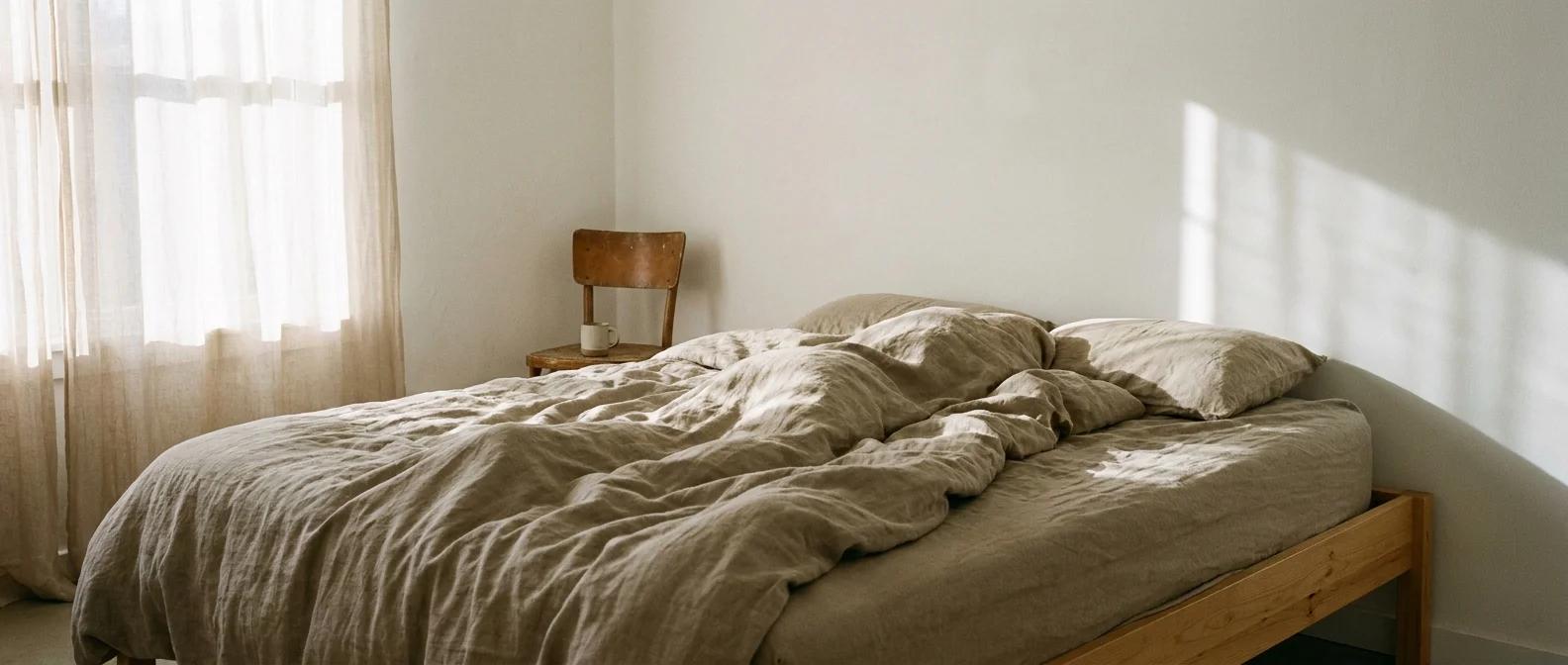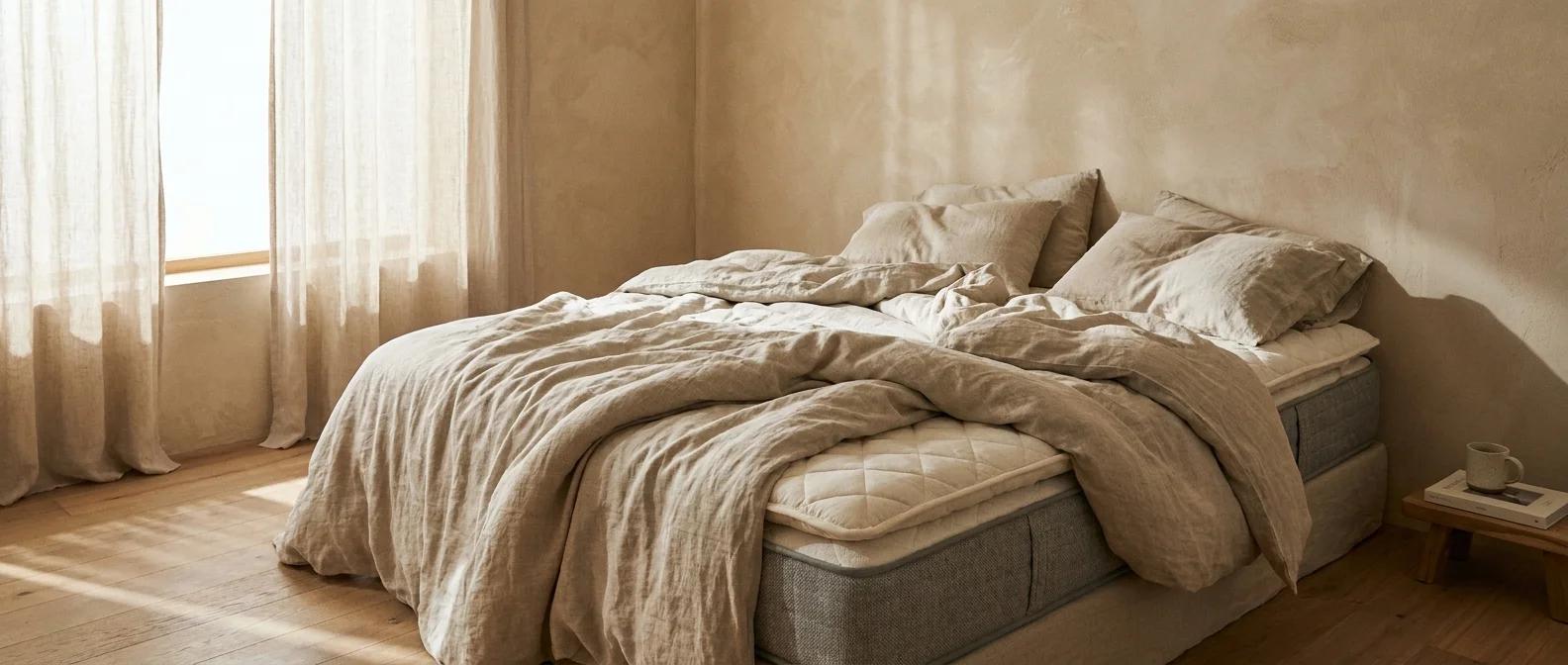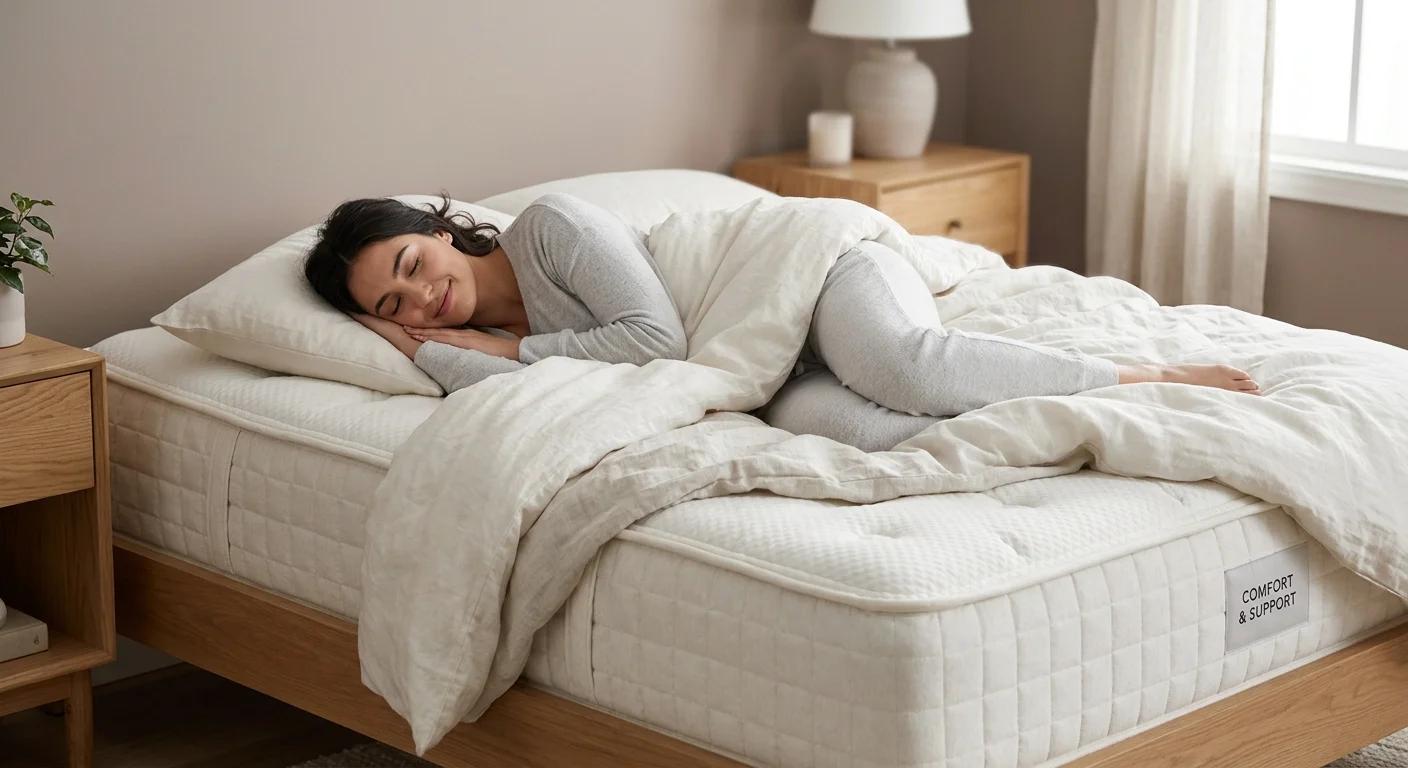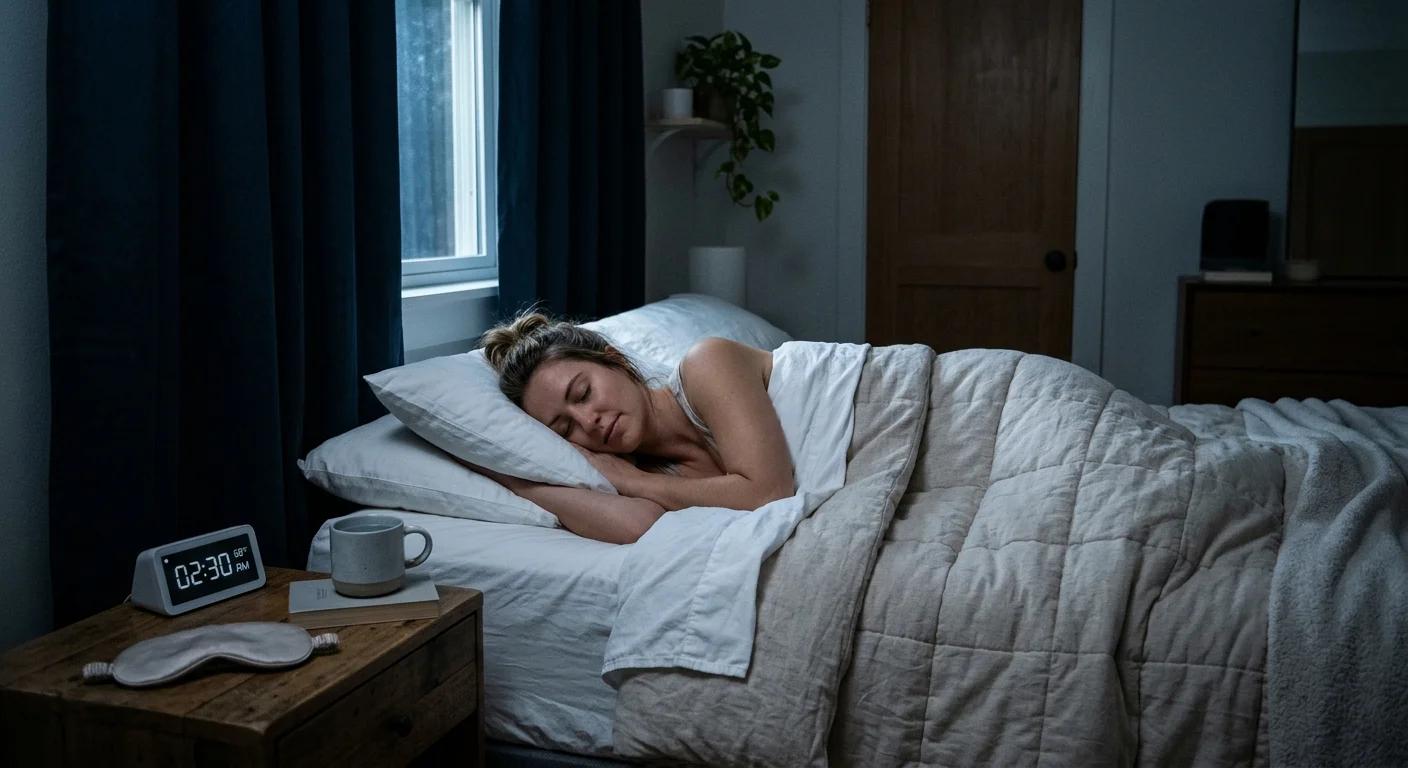
For decades, the standard advice for a restful night has been a rigid directive: set your thermostat between 60 and 67 degrees Fahrenheit. However, many sleepers find themselves shivering under heavy duvets or waking up in a sweat despite a freezing room. The missing link in this equation is not just the number on the wall: it is the best room temperature for sleep as it relates to your personal sleep microclimate. This article explores why the air temperature is only half the battle and how your body’s internal thermoregulation dictates the quality of your rest. We will move beyond the basic thermostat settings to show you how to design a thermally neutral environment that supports deep REM cycles without skyrocketing your utility bills. By the end of this guide, you will understand how to synchronize your bedroom’s climate with your biology to achieve the restorative sleep you have been missing.
Quick Answer / Key Takeaway
The Gold Standard: For most adults, the ideal range is 60°F to 67°F (15.6°C to 19.4°C).
The Microclimate Rule: Your bedding and sleepwear create a microclimate that should remain around 85°F to 90°F for thermal neutrality, regardless of the room's air temperature.
REM Sensitivity: Your body loses its ability to sweat or shiver effectively during REM sleep, making a stable room temperature critical for staying in deep sleep stages.
Textiles Matter: Natural fibers like linen and percale cotton are superior to high-thread-count synthetics for moisture-wicking and airflow.
Room Temperature vs. Sleep Microclimate
Factor | Room Environment | Sleep Microclimate |
|---|---|---|
Primary Goal | Facilitate core body temperature drop | Maintain thermal neutrality at the skin level |
Control Method | Thermostat, fans, and ventilation | Bedding layers, mattress materials, and sleepwear |
Impact on REM | High: extreme cold/heat triggers wakefulness | Critical: prevents "micro-sweats" that break sleep cycles |
Common Saboteur | Poor insulation or solar heat gain | Polyester fills and high-thread-count sateen sheets |
The Biological Connection Between Temperature and Rest
Thermoregulation and Sleep Quality
The human body operates on a circadian rhythm that dictates a natural drop in core temperature by 1 to 2 degrees Fahrenheit in the evening. This physiological dip is the biological green light for the pineal gland to release melatonin. If the environment is too warm, the body struggles to shed this heat, delaying sleep onset. This process is known as thermoregulation, and sleep quality is directly tied to how efficiently your body can offload heat through your skin, particularly your hands and feet.
When you enter the early stages of sleep, your brain sends signals to dilate blood vessels in the extremities. This vasodilation allows heat to escape from your core to the surface of your skin. If the room is set to 75 degrees, the gradient between your body and the air is too narrow. Your core temperature stays elevated, and your brain remains in a state of high alertness. This is why you might toss and turn on a humid summer night: your body is working overtime to reach that 1 to 2 degree drop required for deep rest.
Thermal neutrality occurs when the ambient temperature allows the body to maintain its core temperature without shivering or sweating. For an uncovered person, this is around 86°F. However, because we use blankets and clothing, the room must be significantly cooler to compensate for the insulation we wrap around ourselves. Achieving this balance is the first step in ensuring your internal biological clock stays in sync with your sleep schedule.
The Best Temperature for REM Sleep
During Rapid Eye Movement (REM) sleep, our internal thermoregulation system essentially switches off. Unlike light sleep, where you might subconsciously pull up a blanket or kick off a sock, REM sleep leaves you vulnerable to ambient temperature. If the room spikes in heat, your brain will pull you out of REM to initiate cooling through sweating, robbing you of cognitive restoration. This makes finding the best temperature for REM sleep a priority for anyone looking to improve memory and mood.
Sleep architecture consists of several stages, and REM usually occurs more frequently in the second half of the night. This is often when home heating systems kick in or when the morning sun begins to warm the bedroom. Because the body stops shivering and sweating effectively during this stage, even a minor fluctuation in the room environment can trigger a "micro-arousal." You might not remember waking up, but your brain has shifted from a deep, restorative state to a lighter one to manage the thermal stress.
Maintaining a steady 65 degrees helps ensure that once you enter those late-night REM cycles, you stay there. If the room is too cold, below 60 degrees, the body may trigger a stress response to keep the core warm, which also interrupts the REM cycle. The goal is a steady, cool environment that acts as a heat sink for the warmth your body naturally sheds during the night.
Beyond the Thermostat: What is the Ideal Sleep Microclimate?
Achieve Thermal Neutrality in Bed
Thermal neutrality is the state where your body does not need to expend energy to warm up or cool down. While the room should be cool, the space between your skin and your sheets- the optimal sleep microclimate temperature- needs to be stable. A common mistake is using a cooling room strategy while sleeping on a heat-trapping memory foam mattress. To achieve thermal neutrality in bed, you must look at the materials directly touching your body.
The skin-level target for a comfortable sleep microclimate is actually much higher than the room temperature, usually between 85°F and 90°F. If your bedding is made of non-breathable materials, the heat your body sheds becomes trapped. Memory foam is a frequent offender here. While it offers excellent pressure relief, the dense polyurethane structure acts as an insulator. It absorbs your body heat and radiates it back, creating a "hot spot" that can reach 95°F or higher, well above the threshold for thermal neutrality.
To fix this, consider the layers. A mattress protector with a phase-change material or a simple wool topper can create a buffer between you and the foam. Wool is a natural thermoregulator that can move moisture away from the skin, helping to maintain that 85°F to 90°F sweet spot even if the mattress underneath is trying to hold onto heat.
Natural vs. Synthetic Textiles
The material of your sheets is the most significant variable in your microclimate. Synthetic fibers like polyester or high-thread-count sateen trap air and moisture against the skin. This creates a humid environment that prevents sweat from evaporating, which is the body's primary cooling mechanism. To understand what the ideal sleep microclimate is, you have to look at the weave and the fiber.
Instead of synthetics, opt for a Brooklinen Classic Core Sheet Set (Percale). Percale refers to the weave, which is a simple one-over, one-under pattern. This creates a crisp, matte finish that allows for maximum airflow. Unlike sateen, which is woven more tightly to create a sheen, percale is breathable and feels cool to the touch. It is specifically designed to let heat escape rather than trapping it against your body.
The "high thread count" myth often leads people to buy heavy, dense sheets that feel luxurious in the store but act like plastic wrap at night. A thread count between 200 and 400 in a natural fiber like long-staple cotton or linen is usually superior for temperature regulation. Linen, in particular, can absorb up to 20% of its weight in moisture before feeling damp, making it an elite choice for those who struggle with night sweats.
Cooling Bedroom Design Ideas for Better Sleep
How to Keep Bedroom Cool at Night (Passive Methods)
Achieving the ideal sleep temperature for adults does not always require a lower AC setting. You can use passive cooling techniques to manage the thermal load of the room. One of the most effective methods for keeping a bedroom cool at night is managing solar heat gain during the day. If your bedroom windows face south or west, the sun can heat your furniture and flooring to 80 degrees or more by sunset.
Use thermal blackout curtains with a white reflective backing to bounce sunlight away from the house. Keep these closed from noon until dusk. Once the sun goes down and the outside air temperature drops below the indoor temperature, open the windows to create cross-ventilation. If you have a ceiling fan, ensure it is set to rotate counterclockwise. This direction creates a "wind chill" effect by pushing a breeze directly downward, which helps evaporate moisture from your skin.
Another architectural trick is the "stack effect." If you live in a multi-story home, opening a window on the ground floor and a window in an upstairs bedroom can encourage warm air to rise and exit the house, pulling cooler air in from below. This natural airflow can often reduce the room temperature by several degrees without the noise or cost of a portable air conditioner.
Visual and Psychological Cooling
Aesthetic choices can psychologically lower the perceived temperature of a room. This is a vital part of cooling bedroom design ideas. Research into environmental psychology suggests that humans perceive rooms with "cool" colors as being physically colder than those with "warm" tones like red or orange.
Use receding colors for your walls and large furniture. A prime example is Benjamin Moore’s Quiet Moments. This specific shade is a sophisticated mix of blue, gray, and green. Because blue light has a shorter wavelength, it feels less "energetic" to the eye, which can help lower your heart rate and prepare the body for sleep.
Furthermore, choose matte finishes for your paint and decor. High-gloss surfaces reflect more light and can feel "active" or "hot." Matte surfaces absorb light and create a soft, hushed atmosphere that mimics the natural cooling of twilight. Even the texture of your rugs matters: a flat-weave jute or sisal rug feels cooler underfoot than a high-pile shag carpet, which can trap heat in its fibers.
Solving the "Thermostat War": Strategies for Couples
The Scandinavian Sleep Method
Couples often have mismatched thermal needs, leading to the "thermostat war" where one person is freezing, and the other is overheating. The Scandinavian Sleep Method is a practical design solution for this. It involves using two separate Twin XL duvets on a single King mattress instead of one large shared comforter. This setup allows each partner to customize their ideal sleep temperature for adults without affecting the person next to them.
This method prevents the "blanket tug-of-war" that often leaves one person exposed to the cold air. More importantly, it allows for individual weight and material customization. One partner can use a heavy down insert for warmth, while the other uses a lightweight IKEA lyocell-blend duvet. Lyocell, often sold under the brand name Tencel, is a fiber made from wood pulp that is exceptionally good at moisture-wicking. By separating the bedding, you also eliminate the "furnace effect" where one partner’s body heat is trapped under a shared blanket, inadvertently warming the other person.
Active Cooling Technology
For those who suffer from chronic night sweats, hormonal fluctuations, or "hot sleeping" mattresses, passive bedding may not be enough. To truly lower core body temperature for sleep, you might need active intervention. The Eight Sleep Pod Cover is a leading example of this technology. It is a mattress cover that uses a network of water-cooled channels to regulate the surface temperature of the bed.
The system allows for dual-zone control, meaning one side of the bed can be set to 60 degrees while the other is set to 75 degrees. This is particularly effective because water is much more efficient at conducting heat away from the body than air is. By actively pulling heat out of the mattress, these systems can help maintain a stable core temperature throughout the night.
When using active cooling, it is also important to monitor bedroom humidity. Aim for a range between 40% and 50%. If the air is too humid, the cooling system has to work harder, and you may feel "clammy" rather than cool. A simple hygrometer can help you track this, and a dehumidifier can be a vital addition to a basement bedroom or a home in a coastal climate.
Expert Tips & Pro Moves
The Humidity Sweet Spot: Maintain bedroom humidity between 40% and 50%. High humidity prevents sweat from evaporating, making you feel hotter. Low humidity dries out nasal passages, which can lead to snoring and mouth breathing.
The Pajama Paradox: Sleeping naked can actually make you feel warmer because sweat pools on the skin instead of being wicked away. Wear loose-fitting bamboo or Tencel pajamas. These fabrics are designed to move moisture to the outer layer of the fabric where it can evaporate.
The 60-Degree Floor: Never set your thermostat below 60°F. Extreme cold causes your blood vessels to constrict to protect your internal organs. This can raise your blood pressure and trigger "cold stress," which prevents you from entering the deeper, more restorative stages of REM sleep.
Frequently Asked Questions
What is the exact best room temperature for sleep?
The consensus among sleep scientists and the National Sleep Foundation is 60°F to 67°F (15.6°C to 19.4°C). This range facilitates the necessary drop in core body temperature that triggers melatonin production and sustains deep sleep cycles.
Why do I wake up sweating if my room is cold?
This is usually a microclimate failure. Even if the air is 62°F, a memory foam mattress or a polyester-fill comforter can trap body heat against your skin, raising your local temperature to over 80°F. The lack of airflow between your body and the mattress creates a "heat tent" effect. Switching to breathable natural fibers like percale cotton or linen usually resolves this.
How does room temperature affect REM sleep cycles?
During REM sleep, your brain stops regulating your body temperature. If the room is too hot or too cold, your brain will force you into a lighter stage of sleep or wake you up entirely so you can adjust your environment. This fragmentation of sleep prevents the cognitive benefits of REM, such as memory consolidation.
What is a sleep microclimate and how do I fix it?
A sleep microclimate is the environment in the immediate vicinity of your skin, created by your mattress, sheets, and pajamas. To fix a "hot" microclimate, replace synthetic materials with breathable ones. Use a cotton mattress protector, percale sheets, and a natural fiber duvet insert like wool or silk.
How can couples compromise on bedroom temperature?
The best way to compromise is to set the room temperature to the cooler person's preference (usually around 65-67°F) and then use the Scandinavian Sleep Method. By using two separate duvets, the "cold" partner can use a thicker blanket while the "warm" partner uses a thin one, allowing both to achieve their personal thermal neutrality.
Is 70 degrees too hot for sleep?
For most adults, 70°F is at the upper limit of the comfort zone. While you can sleep at this temperature, you must compensate with highly breathable bedding and a fan to ensure your core body temperature can still drop sufficiently. If you find yourself waking up tired at 70°F, try dropping the thermostat to 66°F for three nights to see if your sleep quality improves.
Conclusion
Achieving the perfect sleep environment is less about a single number on the thermostat and more about the synergy between your room's air and your bed's microclimate. By prioritizing breathable natural textiles and understanding your body's need for a core temperature drop, you can stop the cycle of midnight wakefulness. Tonight, take a moment to audit your bedding: if you are sleeping under synthetic "all-season" duvets or on unshielded memory foam, consider swapping them for breathable cotton or linen. These small changes to your sleep architecture allow you to finally experience the deep, uninterrupted REM sleep your body requires to function at its peak.