Introduction
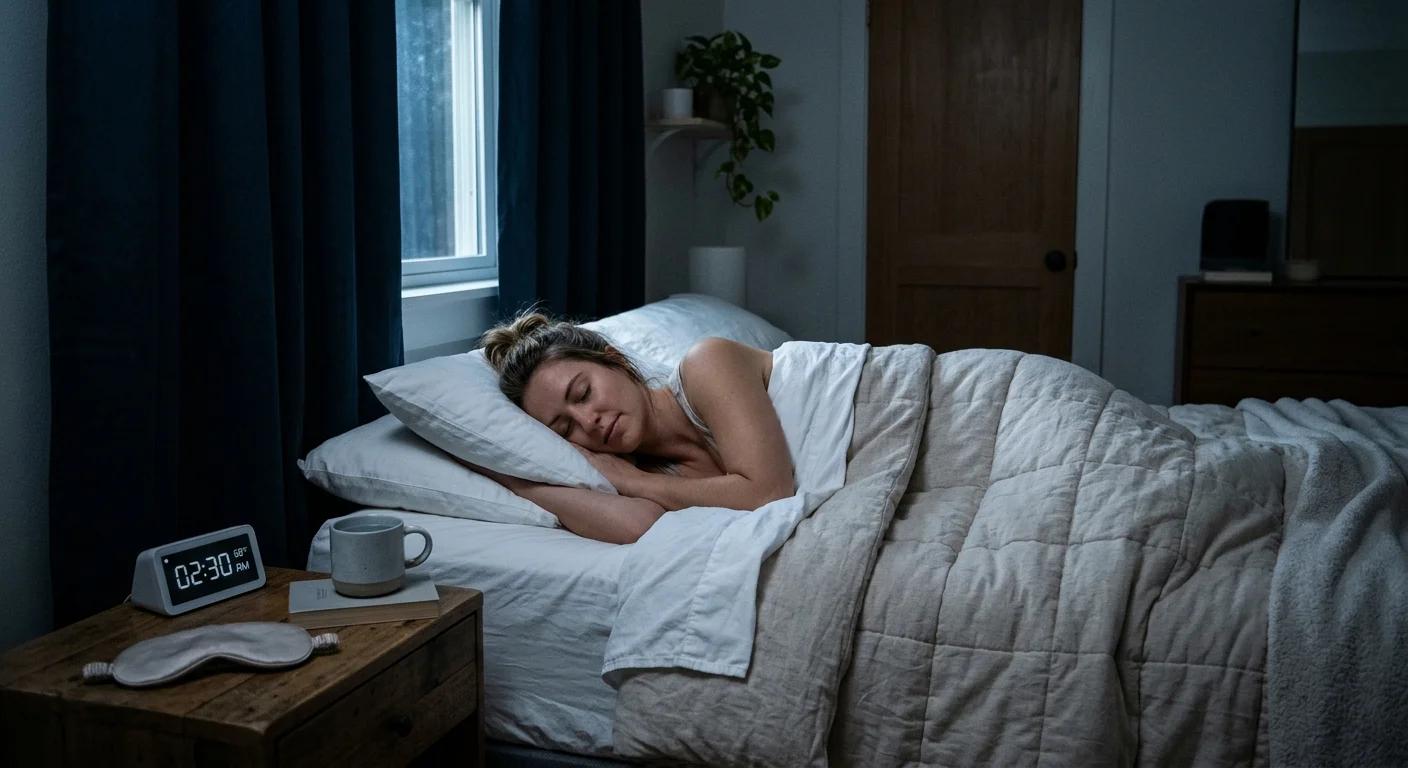
For decades, the cultural narrative surrounding rest was dominated by the hustle mentality, where sleep deprivation was worn as a badge of honor. However, a modern shift, driven by clinical research and the rise of wellness technology, has rebranded sleep as the ultimate luxury pillar. If you find yourself staring at the ceiling at 2:00 AM or waking up feeling unrefreshed despite getting your hours, the issue likely isn't your biology, but your environment and rituals. Implementing effective sleep hygiene tips is about more than just avoiding caffeine: it is about translating clinical sleep science into a realistic, aesthetically pleasing lifestyle. This guide will bridge the gap between sterile medical advice and the modern home, answering the fundamental question: How do I transform my bedroom into a sanctuary that naturally triggers deep, restorative rest? By the end of this piece, you will have a blueprint for a circadian-aligned evening that feels like a ritual rather than a chore.
Creating a comfortable sleep environment also means choosing a bed that gives you enough room to rest comfortably. Compare a king vs. California king mattress to find the right size for your needs
Quick Answer / Key Takeaway
Prioritize Thermoregulation: Keep your bedroom between 60°F and 67°F to facilitate the necessary 2-to-3-degree drop in core body temperature required for deep sleep.
Master the Light Timeline: View natural sunlight within 60 minutes of waking to set your 14-hour melatonin timer, and initiate a digital sunset one hour before bed.
The 3-2-1 Rule: Stop eating 3 hours before bed, stop working 2 hours before, and eliminate screens 1 hour before sleep.
Consistency Over Duration: A fixed wake-up time 7 days a week is more impactful for your circadian rhythm than catching up on sleep during weekends.
Sleep Stage | Biological Function | Environmental Trigger | Design Solution |
|---|---|---|---|
Light Sleep | Transition & Memory | Low Ambient Noise | White noise machine (Marpac Dohm) |
Deep Sleep | Physical Restoration | Cool Core Temp | Percale or Linen bedding: 65°F setting |
REM Sleep | Emotional Processing | Total Darkness | Blackout drapery: Low-LRV paint colors |
Wake Transition | Cortisol/Alertness | Morning Sunlight | Sunrise simulation (Hatch Restore 2 |
The Biological Foundation of Rest
To master sleep, you must understand the two systems governing it: Process C (Circadian Rhythm) and Process S (Sleep Pressure). Process C is your internal 24-hour clock, heavily influenced by light. Process S is the buildup of adenosine in the brain. The longer you stay awake, the higher the pressure to sleep. Evening rituals to build sleep pressure involve avoiding adenosine blockers, such as caffeine, and engaging in low-stimulation activities that allow this pressure to peak naturally at bedtime. When you consume caffeine, the molecules bind to your adenosine receptors, effectively masking the signal that your brain is tired. This does not remove the sleep pressure: it merely delays your awareness of it, often leading to a crash or fragmented rest later.
The 90-minute sleep cycle
Sleep is not a monolithic state but a series of 90-minute cycles moving through Light, Deep (Slow Wave), and REM sleep. Deep sleep is essential for physical repair and immune function, while REM handles cognitive processing and emotional regulation. Disrupting these cycles, often via alcohol or erratic wake times, prevents the brain from completing these essential maintenance tasks. You should respect circadian rhythm sleep habits by viewing sleep as a series of completed cycles rather than just a total number of hours. If you wake up in the middle of a deep sleep phase, you will experience sleep inertia, that heavy, groggy feeling that can persist for hours.
Your preferred sleeping position can influence how comfortable you feel throughout the night, so it's worth choosing bedding that supports your needs. Discover what side sleepers should look for in a mattress when creating a more comfortable sleep setup.
Designing an Aesthetic Bedroom Using Sleep Hygiene Tips
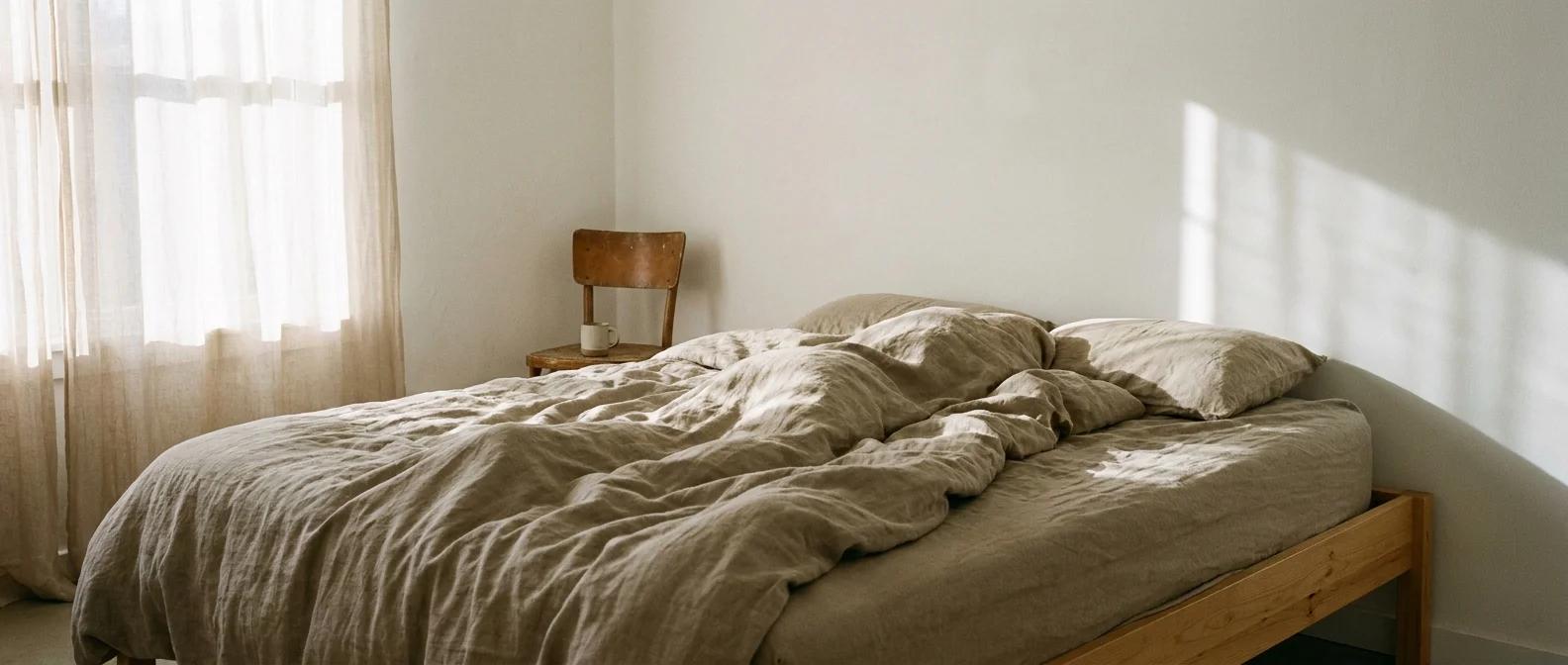
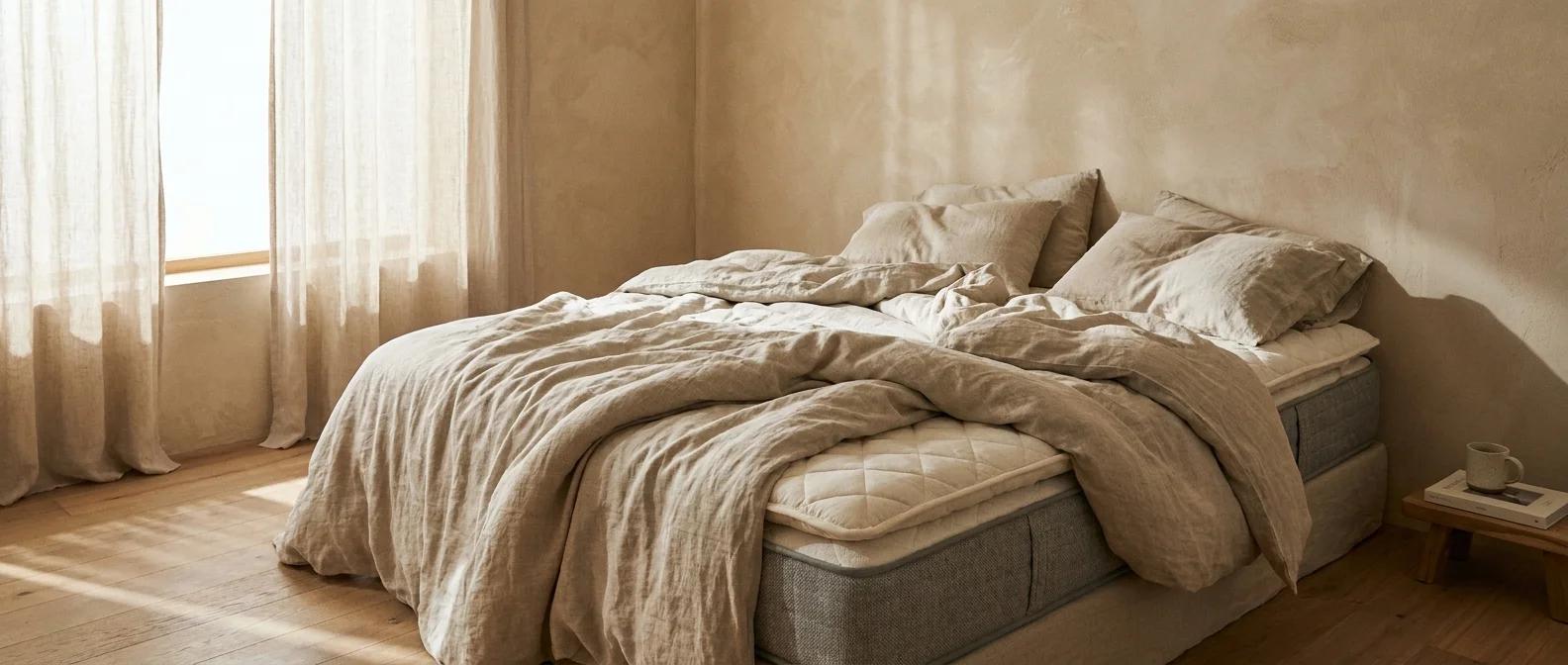
The most common environmental mistake is a room that is too warm. Science dictates that core body temperature must drop by 2 to 3 degrees Fahrenheit to initiate sleep. How to lower body temperature for sleep starts with the thermostat, but extends to your bedding choices. Avoid synthetic polyester comforters that trap heat and moisture. Instead, opt for Brooklinen Classic Percale Sheets (approx. $150 to $180), which offer a crisp, breathable weave that facilitates airflow and prevents micro-awakenings caused by night sweats. Natural fibers like cotton percale or Belgian flax linen are superior to high-thread-count sateen because they allow the body to shed heat more efficiently throughout the night.
Color Theory and Materiality
How to optimize a bedroom for deep sleep involves more than just the mattress: it is about visual cocooning. Use low-LRV (Light Reflectance Value) colors like Benjamin Moore Quiet Moments or Farrow & Ball Hague Blue to absorb light. LRV measures the percentage of light a color reflects: lower numbers mean the walls will not bounce ambient light around the room. Incorporate matte, natural textures like washed linen and heavy wool drapery. These materials do not just look sophisticated: they absorb sound and prevent light leaks, creating a sensory-neutral environment. A room with too many reflective surfaces, such as glass-topped nightstands or high-gloss paint, can feel clinical and alert rather than restful.
Mastering the Strategic Light Protocol
One of the best sleep hygiene tips for adults happens the moment you wake up. Neurobiologists emphasize the importance of viewing natural sunlight, without sunglasses, within 30 to 60 minutes of waking. This triggers a cortisol spike for alertness and sets a biological timer for melatonin release 14 to 16 hours later. If you live in a dark climate or wake before the sun, the Hatch Restore 2 (approx. $200) can simulate this sunrise, gradually brightening your room to wake you naturally and suppress melatonin production at the right time. This morning light exposure is the primary anchor for your circadian clock.
The digital sunset and blue light management
An aesthetic bedroom sleep setup should eliminate the big light, or overhead fixtures, after sunset. Transition to layered, lower-third lighting using bulbs with a color temperature of 2700K or lower to mimic candlelight. This prevents the suppression of melatonin caused by blue light, which the brain interprets as midday sun. While blue-light-blocking glasses help, the cognitive stimulation of scrolling is just as damaging as the light itself. The goal is a total digital sunset 60 minutes before bed. This means putting the phone in a different room to charge, which removes the temptation of a late-night dopamine hit from social media or news alerts.
Crafting a Realistic Evening Routine
For realistic sleep hygiene tips for beginners, follow the 3-2-1 rule. Stop eating 3 hours before bed to prevent digestion from raising your core temperature and causing acid reflux. Stop working 2 hours before bed to close open loops in the brain and reduce cognitive load. Finally, eliminate screens 1 hour before sleep. This creates a buffer zone that allows the nervous system to shift from sympathetic (fight or flight) to parasympathetic (rest and digest) mode. This transition is not instantaneous: your brain requires a gradual ramp-down period to signal that the environment is safe for unconsciousness.
Analog wind-downs and the 20-minute rule
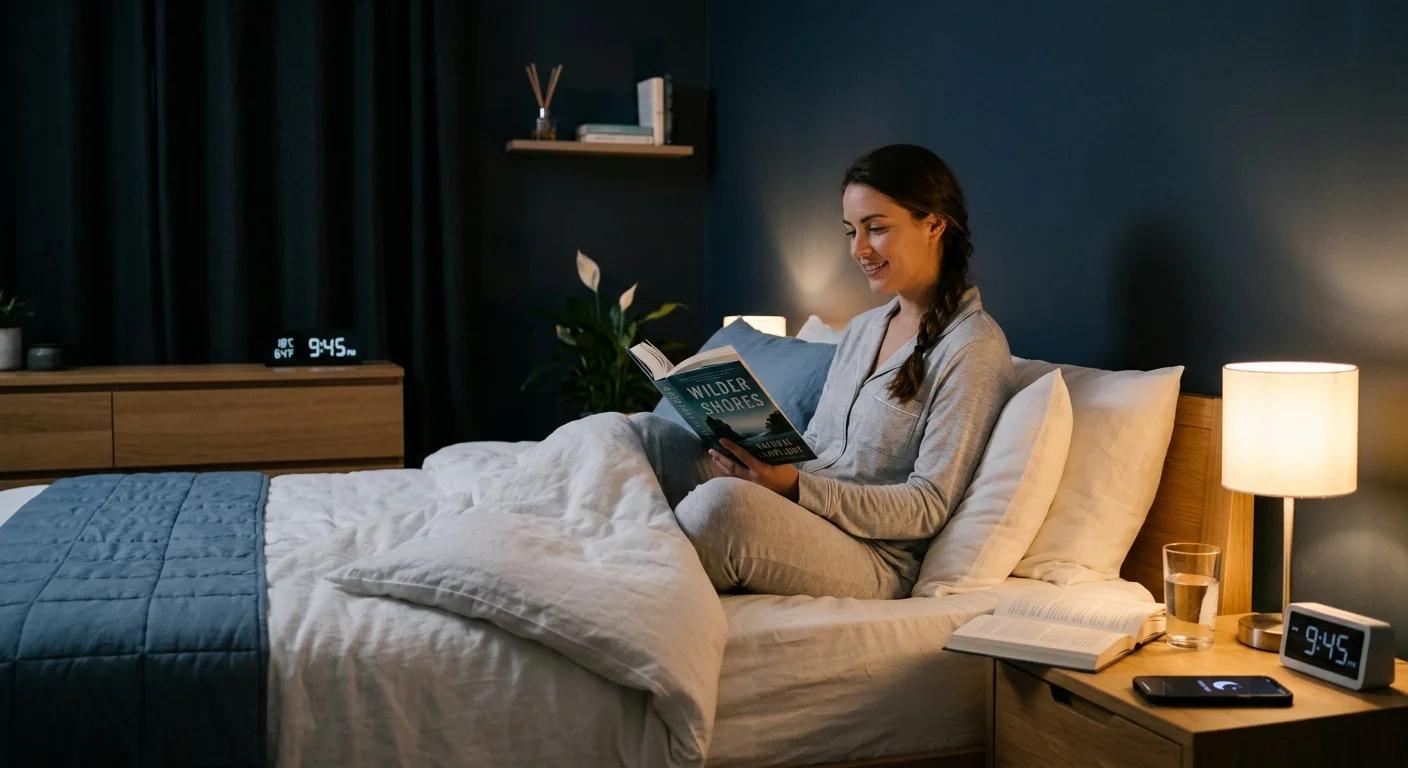
Replace your smartphone with an analog ritual. This could be reading a physical book, journaling, or light stretching. To make this permanent, physically remove the phone from the room and use a dedicated alarm like the Loftie Alarm Clock (approx. $150). The Loftie is designed to look like a piece of sculpture rather than a tech gadget, and it offers built-in soundscapes and breathwork exercises. If you find yourself lying awake for more than 20 minutes, use the 20-minute rule: get out of bed, go to a dimly lit room, and do a boring task until you feel sleepy. This prevents your brain from associating the bed with the anxiety of wakefulness. The bed should only be used for sleep and intimacy.
Realistic Sleep Hygiene Tips for Adults and Common Pitfalls
Many adults believe they can repay sleep debt on Saturdays. This creates social jetlag, shifting your circadian rhythm and making Sunday night insomnia inevitable. Sleep hygiene for adults requires consistency. You should aim to wake up within the same 30-minute window every day to keep your internal clock synchronized. Even one night of sleeping in can push your clock back, making it difficult to feel tired at your usual time the following evening. This cycle is what leads to the dreaded Monday morning fog.
Alcohol and the nightcap fallacy
While alcohol is a sedative that helps you lose consciousness quickly, it is a disaster for sleep quality. It fragments sleep architecture, heavily suppresses REM sleep, and causes rebound wakefulness in the second half of the night as the liver metabolizes the sugar and toxins. You may fall asleep faster, but you will not achieve the restorative stages of rest required for cognitive health. For a true evening ritual, swap the wine for magnesium glycinate or tart cherry juice. These alternatives support the nervous system without the inflammatory effects of alcohol.
Expert Tips & Pro Moves
Ban the Big Light: Never use overhead lighting after 7:00 PM. Use floor lamps and sconces to keep light below eye level. This mimics the setting sun and is less disruptive to melatonin production.
The Caffeine Half-Life: Remember that caffeine has a half-life of 5 to 7 hours. A 2:00 PM latte means 50% of that caffeine is still blocking your adenosine receptors at 9:00 PM. Set a hard caffeine curfew for noon or 1:00 PM to ensure it is cleared from your system by bedtime.
Beware of Orthosomnia: Do not become obsessed with your sleep tracker scores. If checking your Oura Ring or Apple Watch data causes you anxiety, it is actively harming your sleep. Focus on how you feel rather than the data points.
The Boring Rule: If you cannot sleep and have to get up, do not do anything productive. Fold laundry or read a technical manual. If you do something engaging, you reward your brain for being awake, which reinforces the insomnia cycle.
Clean bedding can make your bed feel fresher and more inviting at the end of the day. Follow these tips on how to wash a comforter at home to keep your bedding clean and comfortable.
Frequently Asked Questions
What are the best sleep hygiene practices?
The most effective practices include maintaining a consistent wake-up time, managing light exposure (bright in the morning, dim in the evening), and keeping the bedroom cool. These habits align your behavior with your biological needs.
How does room temperature affect sleep quality?
Room temperature is a primary trigger for sleep onset. A cool environment (60-67°F) helps your body shed heat. If the room is too warm, your heart rate remains elevated, and you will likely experience more frequent awakenings and less deep sleep.
How can I fix my circadian rhythm naturally?
The fastest way to reset your rhythm is through light. View 10 to 30 minutes of direct sunlight shortly after sunrise and again near sunset. This provides the brain with the necessary anchors to define the start and end of the biological day.
What is the 90-minute sleep cycle?
A sleep cycle consists of four stages: three stages of Non-REM sleep and one stage of REM. These cycles repeat throughout the night. Waking up at the end of a cycle, rather than in the middle of deep sleep, helps you feel more alert.
How do I create a relaxing evening routine?
Start by dimming the lights and lowering the temperature. Choose one analog activity, such as reading or a warm bath, and perform it at the same time every night. This consistency creates a Pavlovian response, where the body begins to produce melatonin in anticipation of the ritual.
Is reading on a Kindle bad for sleep?
A Kindle Paperwhite is better than a tablet because it uses E-ink and front-lit technology, but a physical book remains the gold standard. If you use an e-reader, keep the brightness at the lowest comfortable setting and use the warm light filter.
Conclusion
Mastering sleep hygiene is not about achieving a perfect 8-hour block every night: it is about creating a reliable environment and a set of rituals that signal safety and rest to your nervous system. By treating your bedroom as a sensory sanctuary and respecting your biological light-dark timers, you move from fighting for sleep to allowing it to happen naturally. Tonight, take one concrete action: audit your bedroom lighting. Swap one bright LED bulb for a warm 2700K alternative and leave your phone in another room. Your journey to better rest starts with that single, analog boundary.