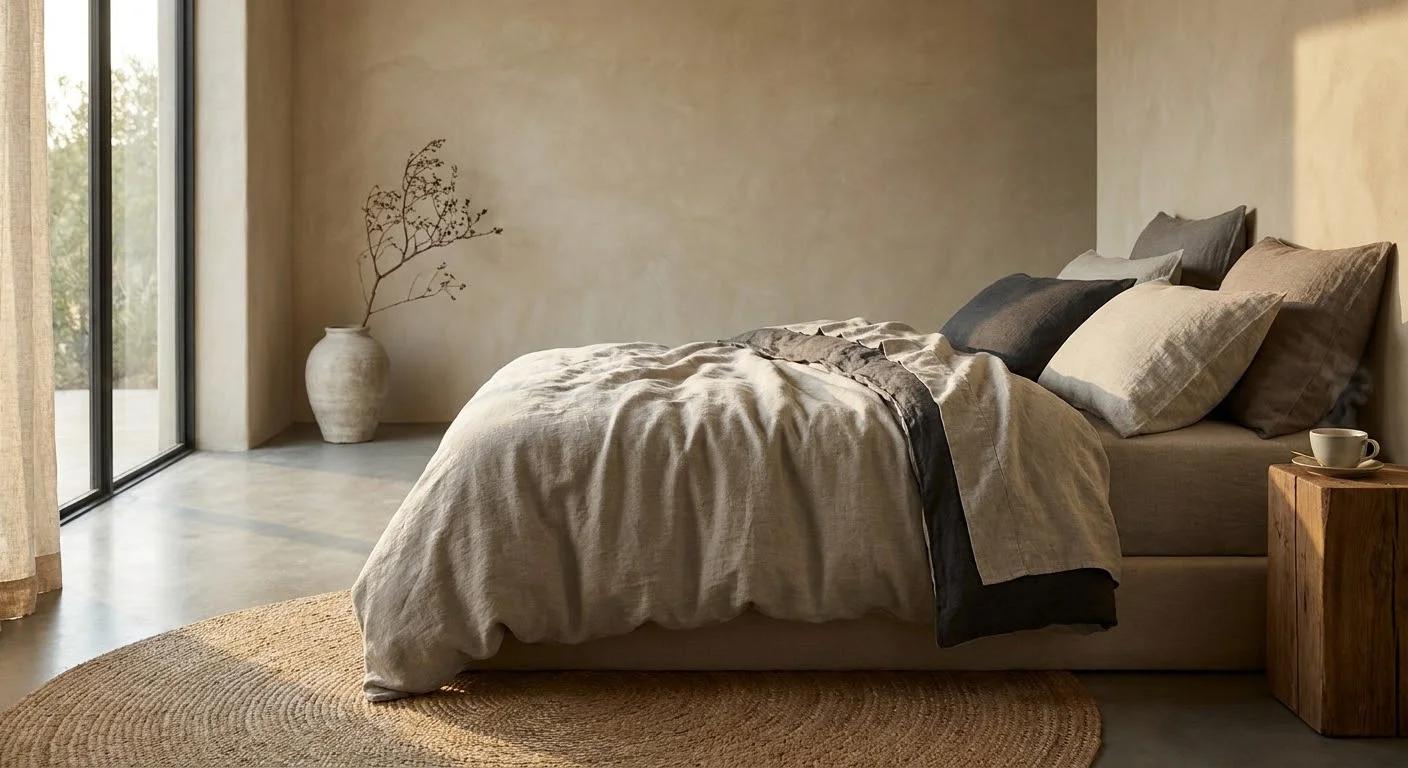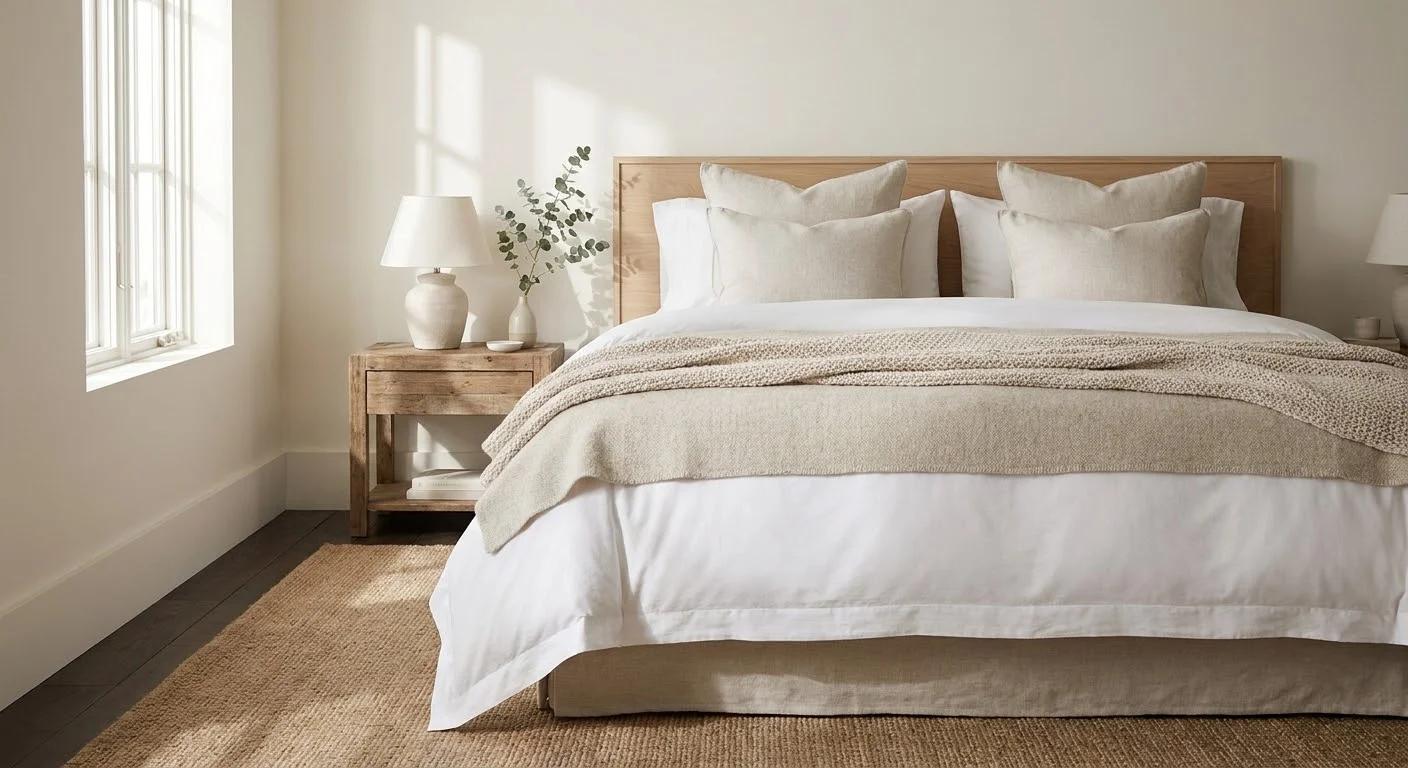
The allure of a five-star hotel room isn't just the view or the room service: it is the "Halo Effect" of a perfectly manicured, crisp, and cloud-like bed. Most sleepers struggle to replicate this at home because they rely on high-thread-count marketing myths rather than the mechanical techniques used by professional housekeepers. To learn how to make your bed like a hotel, you must look past the duvet cover and understand the architecture of the sleep surface. This guide moves beyond generic fluffing advice to reveal industry secrets like the triple sheeting method, the physics of hospital corners, and the specific weave of cotton that creates that signature "snap" when you climb in. Whether you are aiming for the plushness of a Four Seasons or the crispness of a Ritz-Carlton, the secret lies in layering, tension, and material selection.
A hotel-like bed starts with a comfortable foundation, so explore how to choose a mattress in 2026 to find the right balance of support and comfort.
Quick Answer / Key Takeaway
The "Cloud" Foundation: Use a 2- to 4-inch featherbed or down-alternative mattress topper beneath the fitted sheet to create immediate loft.
The Material Secret: Opt for 300–400 thread count long-staple cotton percale rather than high-thread-count sateen for that signature hotel crispness.
The Fluffy Hack: Always size up your duvet insert, such as a King insert inside a Queen cover, to eliminate empty corners and create a domed look.
The Tension Technique: Use 45-degree hospital corners to lock the base layers tight, creating a drum-like surface.
The Hotel Bed Component Matrix
Component | Hotel Standard | Why It Matters |
|---|---|---|
Sheet Weave | Percale (One-over, one-under) | Provides the cool, crisp "snap" and breathability. |
Thread Count | 300 to 400 Single-Ply | Higher counts often use multi-ply threads that trap heat and pill. |
Mattress Topper | 2-4" Featherbed or Down-Alt | Creates the "sinking" feeling of luxury. |
Duvet Strategy | Oversized Insert (Size Up) | Ensures the bed looks "stuffed" and plush rather than flat. |
Folding Style | 45-Degree Hospital Corners | Keeps sheets taut and prevents bunching during sleep. |
For the right level of comfort, understand the mattress firmness scale before choosing a mattress that suits your sleeping preferences.
The Foundation: Creating the "Cloud Layer"
The hidden mattress topper secret
The "sinking" feeling of a luxury hotel bed starts before the first sheet is laid. Hotels use a 2-to-4-inch mattress topper, often a featherbed or a high-quality down-alternative pad, to provide immediate pressure relief. This layer is what separates a standard firm mattress from a five-star hotel bedding layers experience. You should avoid cheap egg-crate foam, which lacks the structural integrity to support the weight of heavy hotel-style linens.
Pacific Coast Feather Company is a primary industry supplier for many major chains, providing the specific loft required for that initial "sink." When you install a topper, ensure it is anchored firmly to the mattress corners. This creates a soft, decoupled surface that moves independently of the mattress coils. This foundation is the primary reason hotel beds feel softer than home beds, even when the underlying mattress is quite firm. Without this layer, the sheets have nothing to "bite" into, and the bed will always look and feel flat.
Selecting the right base materials
To make your bed like luxury hotel standards, you must choose long-staple or extra-long-staple (ELS) cotton, such as Supima or Egyptian cotton. These fibers are longer, stronger, and smoother than standard cotton, which prevents the pilling common in retail sheets. Most consumers are misled by thread count, believing that a 1000-count sheet is superior. In reality, these are often made with multi-ply threads that trap heat and lack the durability of a professional-grade sheet.
The industry standard is a 300 to 400 thread count single-ply fabric. This allows for maximum breathability while maintaining a tight enough weave to feel substantial. When shopping, verify with the manufacturer that the sheets are single-ply. If a brand advertises an 800-plus thread count at a low price point, they are likely using multi-ply yarns that will feel heavy and scratchy after three washes. Long-staple cotton in a percale weave is the only way to achieve the cool-to-the-touch sensation found in the world's best sheets.
The Crisp Base: Mastering Hospital Corners
The physics of the 45-degree fold
The hallmark of a professional bed is the tension of the flat sheet. Learning how to fold hospital corners is essential for locking the bedding in place so it doesn't shift during the night. Start by laying your flat sheet evenly over the bed, ensuring the overhang is equal on both sides. Tuck the end of the sheet firmly under the mattress at the foot of the bed.
To create the corner, grab the side of the sheet about 12 inches from the foot of the bed. Lift it so it forms a 45-degree diagonal crease extending from the corner of the mattress. While holding that flap up, tuck the remaining hanging portion of the sheet under the mattress. Finally, drop the top fold down and tuck it in tightly. This creates a clean, vertical line at the corner that looks like a wrapped gift. This mechanical lock is what prevents the "bottom sheet bunching" that plagues most home beds.
Achieving the drum-tight surface
A hotel maid doesn't just tuck: they pull with significant force. The goal is to eliminate every wrinkle through tension, creating a surface so tight you could bounce a coin off it. This is why hotels prefer percale over sateen. The percale weave is structurally stable enough to be pulled tight without distorting the fabric or causing it to "wave."
When you learn how to do hotel hospital corners, you realize the tension starts at the head of the bed and works toward the foot. Once the corners are locked, you must run your hands from the center of the bed outward to the sides, tucking the side flaps as you go. This horizontal tension, combined with the vertical lock of the hospital corners, creates the drum-like surface. If your sheets are too small for your mattress, you will never achieve this look. Always ensure your flat sheet has at least 12 inches of overhang on all three sides to provide enough fabric for a deep tuck.
You can take your hotel-inspired bedroom styling further with these cozy fall bedroom ideas on a budget for a warm and inviting space.
The Triple Sheeting Method: The Industry Standard
Why hotels skip the duvet cover
Many luxury properties avoid duvet covers because they are labor-intensive and difficult to launder at scale. Instead, they use the hotel-style triple sheeting method. This involves a fitted sheet, a flat sheet with the seam facing down, a lightweight blanket, and a second flat sheet with the seam facing up on top. This creates a hygienic, crisp "envelope" for the sleeper that feels significantly cooler than a heavy duvet.
This method is the signature of brands like Marriott and Hilton. It allows the hotel to wash every single layer of the bedding after every guest, which is often not the case with heavy duvet covers or comforters. The triple sheet setup also allows for better temperature regulation. If a guest is too warm, they can sleep under just the first two sheets, whereas a duvet is an all-or-nothing proposition. For the home user, this method provides a tailored, layered look that is much easier to manage on laundry day than wrestling with a duvet cover.
Step-by-step: how to triple sheet a bed
To execute this, start with your fitted sheet over the mattress topper. Next, lay the first flat sheet with the decorative hem or seam facing down. This ensures that when you fold the top over, the "good" side of the fabric is visible. Lay a thin blanket or a cotton coverlet approximately 6 inches down from the headboard. Finally, lay the third flat sheet over the blanket, this time with the seam facing up.
The final step is the fold-over. Take the top of the two flat sheets and fold them back over the top of the blanket together. This creates a thick, crisp cuff at the top of the bed. Tuck the entire "sandwich" into the sides of the mattress using the same tension techniques used for the base layer. When you learn how to triple sheet a bed, you realize the importance of the 6-inch gap at the top. This space allows the pillows to sit flush against the headboard without overlapping the decorative fold of the sheets.
The Fluffy Duvet Hack: Engineering Loft
The oversizing strategy
If you prefer the weight of a duvet over the triple sheeting method, the secret to making your bed look fluffy is a simple mathematical mismatch. Most people buy a Queen insert for a Queen bed, which results in a flat, sad-looking surface. Instead, use a King-sized insert inside a Queen-sized cover. This forces the fill to bunch together, creating a domed, high-loft appearance that looks expensive and inviting.
This strategy eliminates the empty, floppy corners often seen on home beds. The excess material of the larger insert fills the cover, providing a "stuffed" look that mimics the beds in high-end design magazines. For a Full-sized bed, use a Queen insert. The extra 10 to 15 inches of fill creates a dramatic, plush effect. When you climb in, the compressed fill expands around you, providing a level of insulation and comfort that a standard-sized insert cannot match.
Choosing the right insert construction
The internal architecture of the duvet is just as important as the size. You must look for a "baffle-box" construction. This means the duvet has internal fabric walls sewn between the top and bottom layers, creating individual square chambers. These chambers prevent the down or down-alternative fill from shifting to the edges of the bed, which is the primary cause of a "flat" duvet.
For a consistent loft that lasts through the night, consider the Brooklinen All-Season Down Alternative insert. It uses a high-quality fill that mimics the clusters of natural down without the allergy risks. The baffle-box design ensures that the center of the bed remains as thick as the edges. When combined with the oversizing strategy, an oversized duvet insert for a fluffy bed becomes the focal point of the room. It creates a visual weight that signals luxury and comfort before you even touch the fabric.
Fresh bedding and neatly arranged pillows are only part of a comfortable sleep setup; discover what room temperature is best for sleep for a more restful bedroom environment.
Material Science: Percale vs. Sateen
Why hotels choose percale
While consumers often buy sateen for its initial buttery softness, 5-star hotels almost exclusively use crisp white hotel bed sheets in a percale weave. Percale is a one-over, one-under weave that results in a matte finish and a cool, crisp feel. It is significantly more breathable than sateen, making it the ideal choice for hot sleepers or those who want that "freshly laundered" sensation every night.
Percale is also much more durable. It can withstand the high-heat commercial laundering and heavy bleaching required to maintain 5-star hygiene standards without pilling or thinning. Sateen, with its four-over, one-under weave, has more exposed threads on the surface. These threads are prone to snagging and will eventually lose their luster and become fuzzy. If you want your bed to feel like a crisp, cool sanctuary, percale is the only choice. It provides the structural integrity needed for tight tucking and the signature "snap" when you turn down the covers.
The 300-400 thread count sweet spot
The hotel industry largely ignores the "1000 thread count" marketing trend. High thread counts are often achieved by using multi-ply threads, where several thin, low-quality fibers are twisted together to count as one. This creates a heavy, dense sheet that traps body heat and feels more like canvas than silk. A 300-count single-ply sheet made from long-staple cotton is the professional standard for both durability and comfort.
Standard Textile Centium Core sheets are a prime example of this, used by major brands like Marriott and Hilton. They utilize a unique weaving process that places high-quality cotton on the surface while using a micro-filament polyester core for strength. This results in a sheet that feels like pure luxury but can survive hundreds of industrial wash cycles. When shopping for home use, focus on the "single-ply" label and the quality of the cotton fiber rather than the total thread count. A 300-count Supima percale sheet will outperform an 800-count generic sateen sheet every time.
The Pillow Menu and Finishing Touches
The symmetrical arrangement
To how to make bed like hotel maid professionals do, you must rethink your pillow placement. In most homes, pillows are laid flat, which looks messy and uninviting. Hotels stand their pillows upright against the headboard to create a sense of height and volume. Use a "pillow menu" approach to provide both aesthetic appeal and functional choice.
Start with two Euro shams, which are large 26x26 square pillows, placed directly against the headboard. These provide a structural backdrop. Next, place two firm "support" pillows in front of the shams. Finally, place two soft down or down-alternative sleeping pillows at the very front. This layering creates a depth that makes the bed look more substantial. For a final touch, "chop" the center of the front pillows slightly with the side of your hand to create a lived-in but polished look. This symmetrical arrangement is the key to that professional, finished appearance.
The water spray trick
You do not need to spend hours ironing your sheets to get a hotel-quality finish. Once the bed is made and the sheets are pulled taut with your hospital corners, use the water spray trick. Fill a spray bottle with plain tap water and lightly mist the surface of the bed. You do not want to soak the fabric;c, just a fine dew will suffice.
Use your hands to smooth the fabric from the center out to the edges. As the water evaporates, the cotton fibers contract and pull the remaining wrinkles out of the fabric. This works particularly well with percale because of its tight weave. If you are a perfectionist, you can iron just the top 6 inches of the flat sheet that folds over the blanket, as this is the only part that is highly visible. The rest of the bed will look perfectly pressed thanks to the combination of tension and moisture.
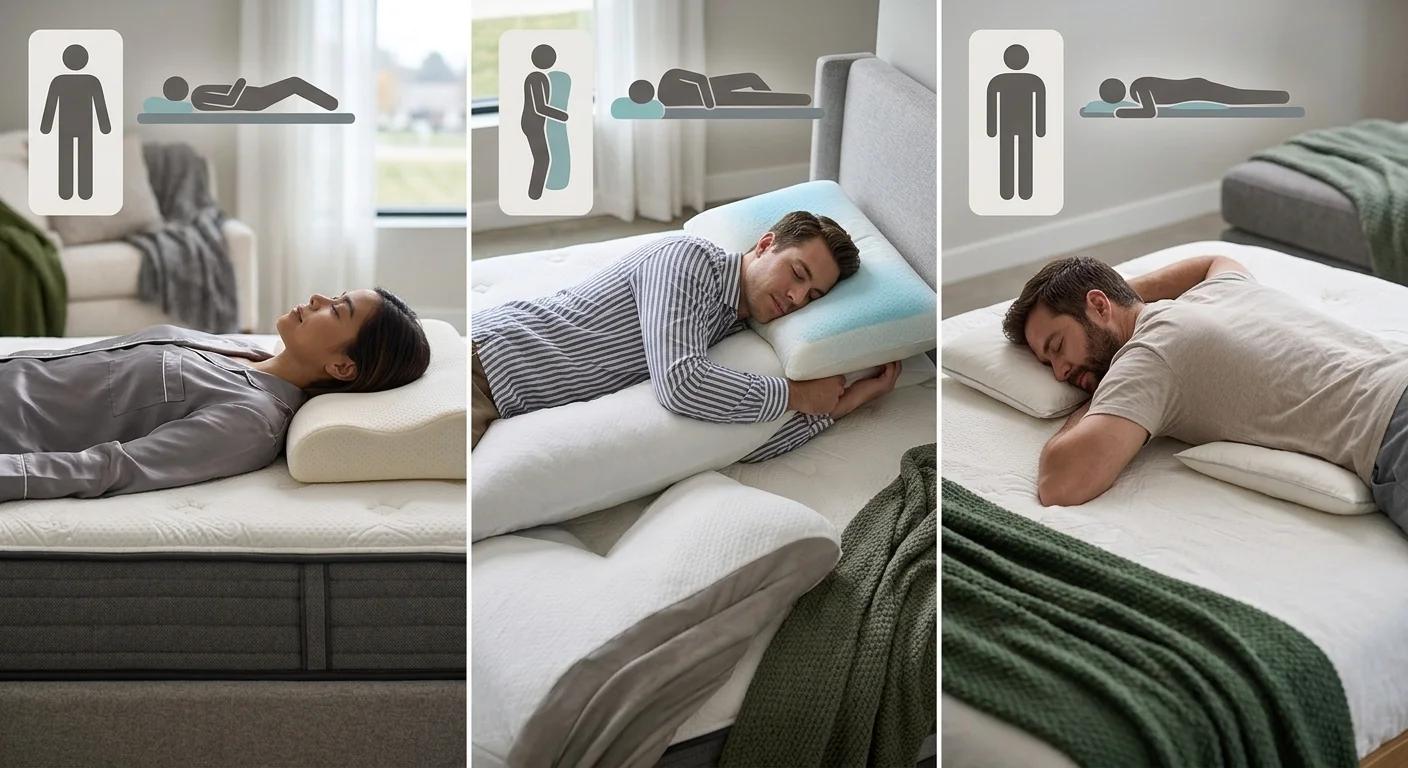
The right pillows make a noticeable difference in hotel-style bedding, so learn how to choose the right pillow for your sleeping position to combine comfort and proper support.
Expert Tips and Pro Moves
The "Halo Effect" Strategy: Stick to an all-white palette for your sheets, duvet, and towels. White bedding psychologically signals pristine cleanliness and acts as a visual palate cleanser for the room. It also allows you to bleach your linens to maintain that bright, "new" look.
Ironing Efficiency: If you must iron, focus only on the pillowcases and the top 6 inches of the flat sheet. These are the primary touchpoints for the sleeper and the most visible areas. The tension of the tucking will handle the rest.
The Texture Break: To avoid a "sterile" or clinical look, drape a high-texture throw blanket, such as alpaca or a chunky knit, diagonally across the foot of the bed. This adds a layer of "lived-in luxury" and provides a visual contrast to the crisp white sheets.
The Foundation Layer: Use Pacific Coast Feather Company* mattress pads or featherbeds for the authentic "Heavenly Bed" foundation. This is the exact brand used by many luxury hotels to create that signature sinking feeling.
Frequently Asked Questions
What kind of sheets do 5-star hotels use?
Five-star hotels typically use 300 to 400 thread count, 100% long-staple cotton sheets in a percale weave. This specific combination ensures the sheets are breathable, durable enough for daily commercial washing, and provide the signature crisp "snap" that guests associate with luxury accommodations.
How do hotels get their beds so fluffy?
The fluffiness comes from two layers: a 2- to 4-inch featherbed or down-alternative topper placed over the mattress, and the practice of "oversizing" the duvet. By stuffing a King-sized insert into a Queen-sized cover, the fill is compressed, creating a plush, domed look that doesn't go flat.
What is the triple sheeting method used in hotels?
Triple sheeting is a layering technique that uses three flat sheets and a thin blanket. A fitted sheet covers the mattress, followed by a flat sheet, then a blanket, and finally a third flat sheet. This creates a clean, crisp "envelope" that is easier to launder than a traditional duvet cover.
Do luxury hotels use percale or sateen sheets?
Luxury hotels almost exclusively use percale. While sateen feels softer initially, it traps heat and pills easily. Percale’s one-over, one-under weave is cooler, more breathable, and maintains its crisp, matte finish even after hundreds of industrial wash cycles.
Why are hotel beds so comfortable?
Hotel comfort is a result of "sleep engineering." This includes a high-quality, firm mattress balanced by a plush topper, high-tension sheets that don't bunch up, and a "pillow menu" that offers guests a choice between firm support and soft, down-filled loft.
How do you fold hospital corners on a bed?
Tuck the end of the flat sheet under the foot of the mattress. Lift the side of the sheet at a 45-degree angle to the corner. Tuck the bottom hanging portion under the mattress, then bring the folded 45-degree flap down and tuck it in tightly to lock the tension.
Conclusion
Achieving a five-star sleep experience at home is less about the price of your mattress and more about the mechanical precision of your layering. By switching to long-staple percale, mastering the 45-degree hospital corner, and utilizing the oversized duvet hack, you can transform your bedroom into a sanctuary of "lived-in luxury." The architecture of the bed determines the quality of the rest. Your next action: swap your current duvet insert for one size larger and experience the immediate visual difference in loft and plushness. Tighten those corners, mist the surface, and enjoy the crispest sleep of your life.