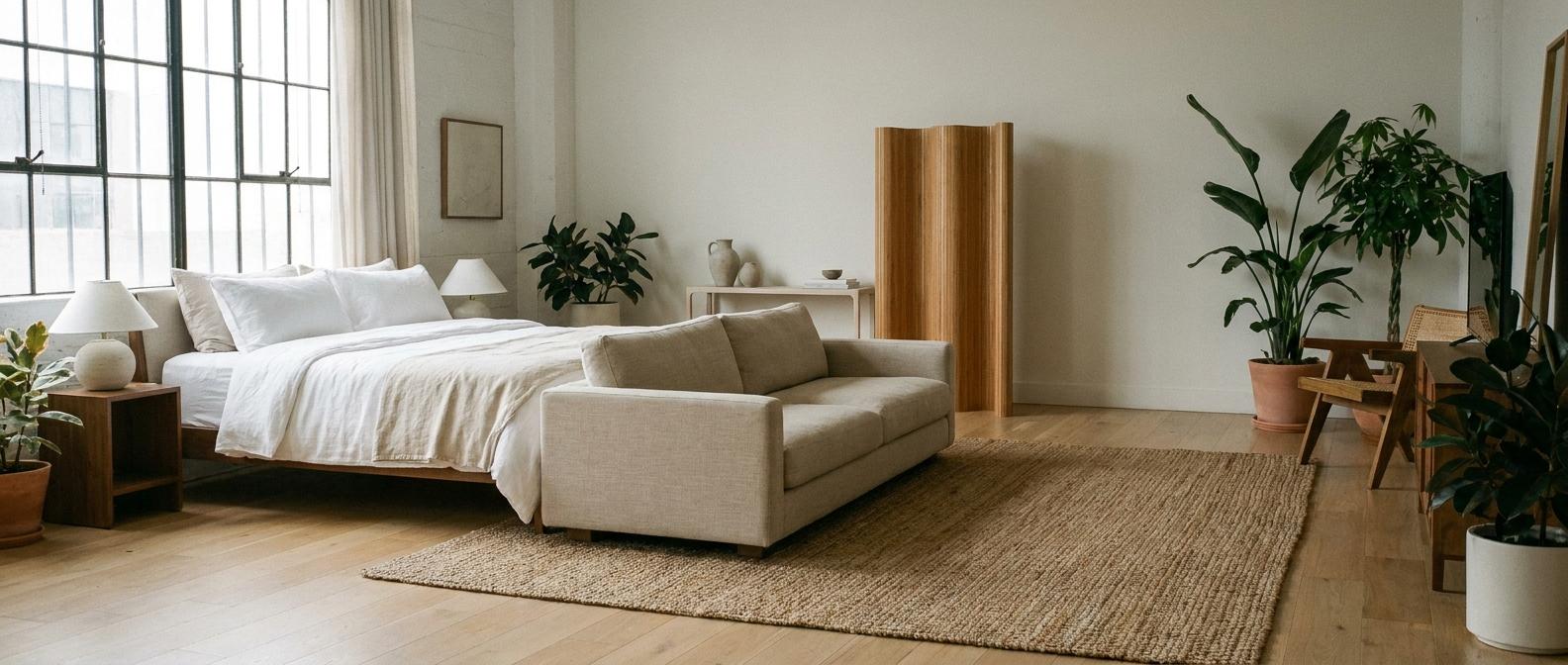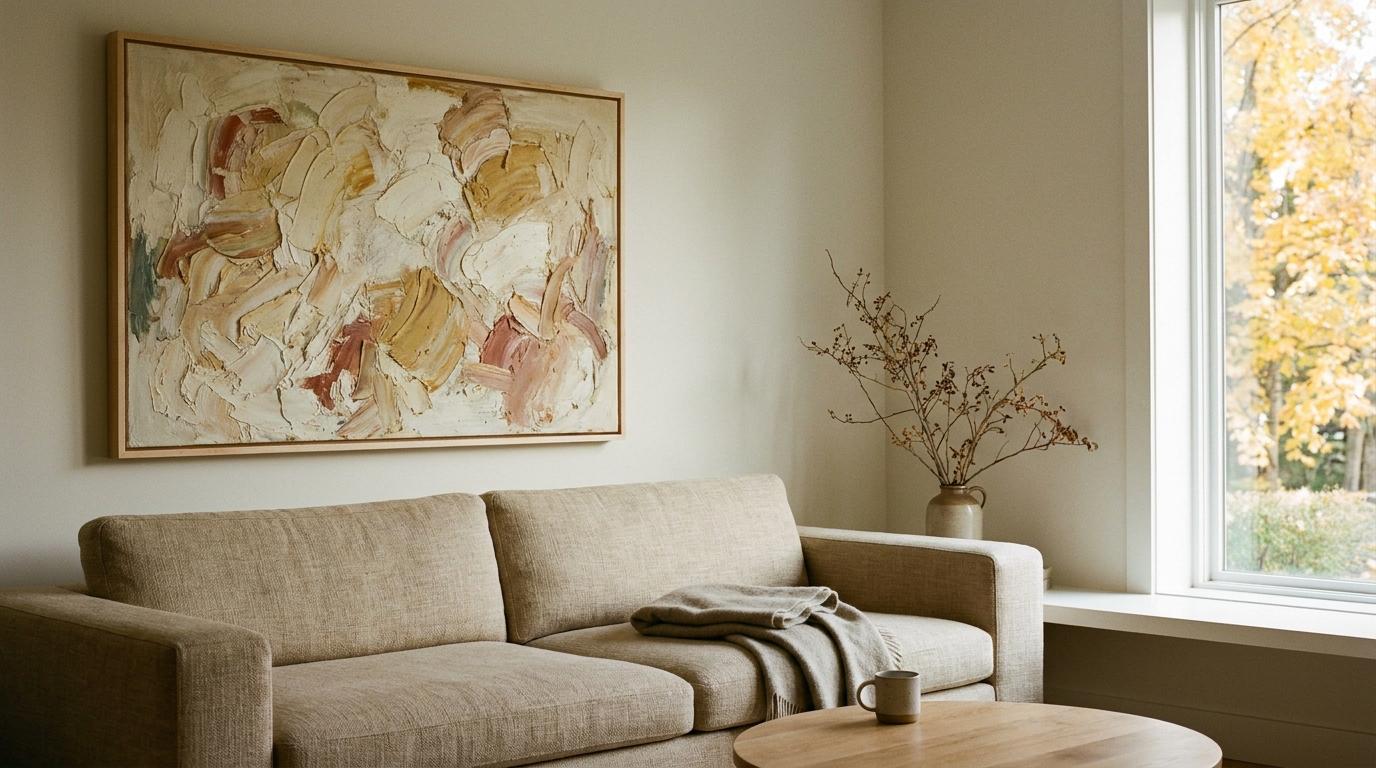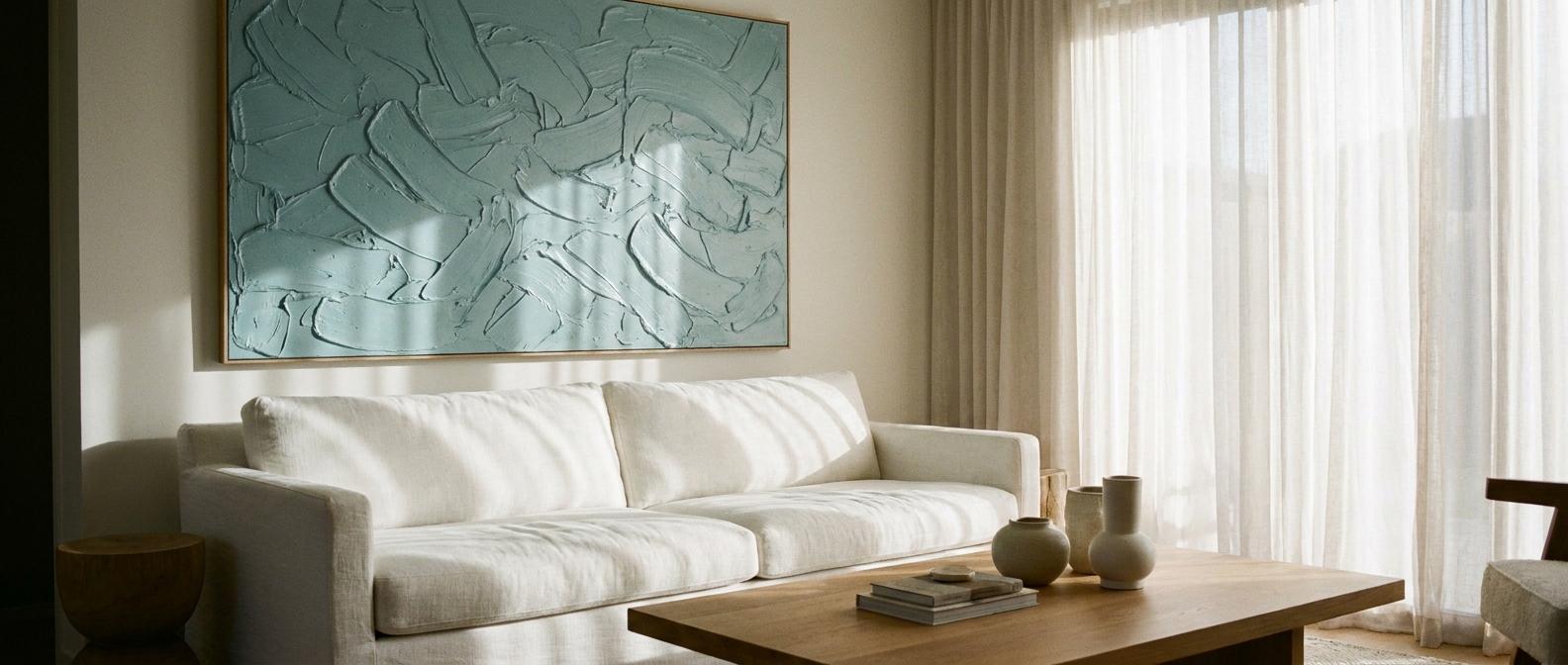
Finding the perfect piece of wall decor often feels like a choice between mass-produced generic prints and unattainable gallery originals. When you have specifically narrowed your search to duck egg blue canvas art, you are looking for a very particular mood: a sophisticated, muted serenity that bridges the gap between traditional elegance and modern coastal living. But the challenge lies in the nuance. Is the piece you are eyeing duck egg actually, or is it a jarring baby blue? Does it have the depth of a designer-grade piece, or will it look like a flat, thin print once it is on your wall?
This guide promises to demystify the chameleon nature of this color, providing the exact specifications for scale, framing, and styling to ensure your living room or bedroom feels curated rather than cluttered. We will answer the primary question: how do you select a canvas that looks like a high-end investment while perfectly complementing your existing furniture? By understanding the technical aspects of canvas construction and the color theory behind this specific blue-green hue, you can transform a blank wall into a focal point that anchors your entire design scheme.
Quick Answer / Key takeaway
The color rule: True duck egg blue is a muted, grayish blue-green. Avoid high-saturation teals or nursery baby blues for a sophisticated look.
The scale rule: For art over a sofa or bed, the canvas should span 2/3 to 3/4 of the furniture's width. For a standard 84-inch sofa, look for pieces between 56 and 63 inches wide.
The framing rule: Always opt for a 1.5-inch deep gallery wrap or a wood floater frame to avoid a temporary or dorm room aesthetic.
The placement rule: Hang the center of the canvas 57 to 60 inches from the floor, with the bottom edge 6 to 8 inches above the furniture.
Duck Egg Blue vs. Similar Hues: A Decision Matrix
Feature | Duck Egg Blue | Teal / Turquoise | Baby Blue |
|---|---|---|---|
Undertones | Gray and Green (Muted) | Strong Green/Yellow (Energetic) | Pure White/Blue (Pastel) |
Vibe | Sophisticated, Serene, Timeless | Energetic, Tropical, Modern | Playful, Sweet, Youthful |
Best pairing | Warm Oak, Linen, Terracotta | Brass, Crisp White, Navy | Silver, Light Gray, White |
Light shift | Shifts with sun (Blue to Sage) | Remains consistently bright | Can look cold in northern light |
Defining the Aesthetic: Why Duck Egg Blue Works
The anatomy of a chameleon color
Duck egg blue is not a primary color but a complex mix of blue, green, and gray. This hue has deep historical roots, appearing frequently in 18th-century French Rococo interiors where it provided a soft backdrop for ornate gold leaf and carved wood. In the modern era, it has evolved into the muted blue-green wall art trend that dominates high-end interior design. It is often referred to as a chameleon color because its appearance changes drastically based on the light source.
In a room with cool northern light, the gray pigments become more prominent, making the canvas appear as a silvery, atmospheric blue. In warm southern light, the green undertones emerge, pushing the color closer to a soft sage. Designers often reference specific paint codes to find this balance: Farrow & Ball’s Light Blue (No. 22) and Benjamin Moore’s Palladian Blue (HC-144) are the gold standards for this palette. These colors possess low-chroma properties, meaning they have a high gray content that prevents them from feeling overly bright or "electric" on a large canvas.
The psychology of the space
This specific color is the gold standard for restorative design because it occupies a unique space on the color wheel. It lowers the visual temperature of a room without the clinical coldness of a true, pigment-heavy blue. When you hang a duck egg blue canvas art piece in a bedroom, you are signaling to the brain that the space is a zone for decompression.
In a living room, it acts as a neutral with a personality. Following the 60-30-10 design rule, you can use a large canvas as your 10 percent accent color in a room dominated by whites and woods. Alternatively, it can serve as the 30 percent secondary color if you carry the hue into your throw pillows and window treatments. Because it mimics the colors found in nature—like a clouded sky or a shallow sea—it creates an organic connection that high-contrast colors often lack.
Sizing and Scale: Mastering the Placement
Large canvas art for over the sofa
The most common mistake in home decorating is buying art that is too small for the wall it occupies. When searching for large duck egg blue canvas pieces for a living room, you must use the 2/3 to 3/4 rule. If your sofa is 84 inches wide, a single canvas or a diptych set should measure between 56 and 63 inches in total width. A piece that is only 30 inches wide will appear "dwarfed" by the furniture, making the entire room feel unbalanced.
If you cannot find a single canvas in those dimensions, consider a triptych or a pair of canvases. This allows you to cover the necessary horizontal span while keeping the individual pieces manageable. When hanging large canvas art over the sofa, ensure the bottom of the frame sits 6 to 8 inches above the top of the sofa back. This creates a cohesive visual unit rather than two separate elements. If the gap is too large, the art will appear to be floating away toward the ceiling.
Duck Egg Blue Canvas Art for bedroom
In the bedroom, the goal is often to create a serene statement that replaces the need for a heavy, expensive headboard. A duck egg blue canvas art for bedroom placement should focus on the width of the bed. For a King-sized bed, which is 76 inches wide, you need art that spans 50 to 60 inches. For a Queen bed at 60 inches wide, aim for a canvas width of 40 to 45 inches.
The height of the art also matters in a bedroom. If you have high ceilings, an oversized vertical abstract can draw the eye upward, making the room feel more spacious. Pair these canvases with natural linen throws and white cotton bedding to lean into the spa-like atmosphere. The soft blue-green tones reflect light gently, which helps the room feel bright during the day while remaining cozy and dimly lit at night.
Quality and Construction: Gallery Wrap vs. Framed
Understanding canvas terminology
When shopping for art, the terminology can be confusing. A gallery-wrapped duck egg blue canvas refers to a print that is stretched over a wooden frame with the image continuing around the sides. This allows the piece to be hung without an external frame. However, the depth of the wooden bars is the most important factor for quality.
Standard, inexpensive canvases often use 0.75-inch bars. These are prone to warping over time and look thin and "flat" on the wall. For a professional, designer-grade look, always specify 1.5-inch deep stretcher bars. This extra depth provides an architectural presence and ensures the canvas remains taut for years. Rolled canvas is a different option where the art is shipped in a tube. While this is often cheaper for shipping, you will need to pay a local framer to stretch it, which can be an unexpected expense.
The designer secret: The floater frame
High-end designers rarely leave a canvas raw. To achieve a polished look, they use a floater frame. This is an L-shaped frame where the canvas is mounted from the back, leaving a small gap (usually 1/4 inch) between the edge of the art and the frame. This makes the art look as though it is "floating" within the border.
For framed duck egg blue art, natural oak frames are the most popular choice as they complement the green undertones of the paint. If your room has more traditional elements, a champagne silver or antique brass floater frame adds a touch of luxury without the heaviness of a solid gold frame. Minted offers a wide selection of fine art canvas prints with these wood floater frame options, which can make a relatively affordable print look like a custom gallery acquisition.
Styling Scenarios: From Coastal to Grandmillennial
The coastal granddaughter aesthetic
The "Coastal Granddaughter" trend is a refined take on traditional beach house style, focusing on high-quality materials and a palette of whites, creams, and soft blues. To style coastal granddaughter canvas art, look for abstract landscapes that suggest the horizon or the movement of water without being literal.
Pair your duck egg blue canvas with white slipcovered sofas, rattan side tables, and light oak flooring. To complete the look on a console table below the art, use a simple glass vase with silver dollar eucalyptus. The dusty green of the eucalyptus leaves perfectly mirrors the muted tones in the canvas, creating a layered, intentional vignette. This aesthetic avoids the kitsch of seashells and anchors, opting instead for texture and tonal harmony.
The transitional living room diptych
For a more formal or "Transitional" space, a diptych is the most effective duck egg blue living room wall art strategy. This involves hanging two identical or closely related canvases side-by-side. Botanical prints or soft-focus landscapes work best for this. The key is the 2-inch gap rule: hang the two pieces exactly 2 inches apart.
This small gap creates a sense of rhythm and symmetry that feels very grounded. Ballard Designs is a well-known source for these types of sets, often featuring muted palettes that fit perfectly into traditional homes that need a modern refresh. This setup works particularly well in dining rooms or long hallways where you have significant wall space to fill.
Textural impasto and chinoiserie
If your room feels a bit flat or lacks architectural molding, look for duck egg blue wall art with heavy texture, often called "impasto." These pieces use thick applications of paint, usually applied with a palette knife, to create physical depth. The shadows created by the texture give the color more life and variation.
Another sophisticated option is a canvas featuring a vintage-inspired Chinoiserie motif. These often depict birds, butterflies, and flowering branches against a duck egg blue background. It provides the look of expensive silk wallpaper at a fraction of the cost. When buying these, check Etsy for independent artists who specialize in "original heavy texture abstract canvas" to get a one-of-a-kind piece that has actual paint on the surface rather than just a flat digital print.
Duck Egg Blue Paint Palettes & Canvas Style Variants
Finding the exact shade of duck egg blue requires matching paint formulas, substrate qualities, and design motifs. Below are gold-standard paint references alongside key canvas style variants to help you curate your space.
Designer Paint Benchmarks for Duck Egg Blue
- Benjamin Moore Palladian Blue (HC-144): A soft, airy blue-green (LRV ~60) that strikes a perfect balance between calm blue and subtle seafoam green. Ideal for brightly lit southern rooms.
- Farrow & Ball Light Blue (No. 22): A historic, gray-heavy duck egg shade (LRV ~57) that shifts beautifully into a silvery slate in cool northern daylight.
- Sherwin-Williams Quietude (SW 6212): A slightly richer, tranquil blue-green with grounding gray undertones. Excellent for focal wall canvases in large master bedrooms.
- Dulux Duck Egg Blue: The classic UK benchmark shade—a muted, pale blue-green that brings a restorative atmosphere to traditional and cottage-style spaces.
Canvas Style Variants & Display Characteristics
Canvas Style | Visual Character | Key Features | Best Room & Placement |
Heavy Impasto / Textured Abstract | Dynamic, sculptural, modern | Palette knife paint layers, physical shadows, light-reflecting relief | Above sofa in modern transitional living rooms |
Botanical / Chinoiserie Print | Delicate, classic, elegant | Flowering branches, birds, soft parchment backgrounds | Master bedroom headboards & dining rooms |
Atmospheric Soft Landscape | Serene, moody, expansive | Faded horizon lines, misty cloudscapes, low contrast | Quiet reading nooks, home offices, guest rooms |
Geometric / Minimalist Diptych | Structured, crisp, contemporary | Clean two-panel layout, solid color blocking, 2-inch gap symmetry | Long hallways, entry consoles, large sofas |
Traditional Oil Reproduction | Historic, rich, museum-grade | Canvas texture, muted varnish glaze, dark floater frame pairing | Formal living rooms with dark wood or brass accents |
Expert Tips & Pro Moves
The 57-inch rule: Always hang art so the vertical center of the piece is 57 to 60 inches from the floor. This is the standard height used in art galleries. It ensures the art is at eye level for the average person and prevents the piece from feeling unmoored or too high on the wall.
The undertone test: Before purchasing a large canvas, hold a swatch of your wall paint against a duck egg blue sample. If your wall has cool, purple-leaning gray undertones, the green in the duck egg blue will make the wall look slightly "dirty" or yellowed. This color works best against warm grays (greige), crisp whites, or deep navy.
The no-glass mandate: When you are buying art on canvas, skip the glass or acrylic cover. Canvas is a tactile medium meant to be seen without a barrier. Glass creates a glare that obscures the subtle color shifts of duck egg blue and makes a high-quality canvas look like a cheap poster.
The lighting trick: To make your art look like a gallery piece at night, install a battery-operated, warm-LED picture light above the frame. Look for a finish that matches your hardware, such as brushed brass. The downward light will highlight the texture of the canvas and emphasize the gray-green shifts in the pigment during the evening hours.
Core Color Matching Rules & 5 Critical Styling Mistakes To Avoid
Integrating duck egg blue canvas art into a living room or bedroom requires careful calibration of visual weight and color temperature. Because duck egg blue is a low-chroma chameleon hue containing blue, green, and gray micro-pigments, pairing it with incorrect wall undertones or high-contrast neon accents will ruin its calming effect.
The 4 Golden Rules of Duck Egg Blue Color Matching
1. The 30-Point LRV Gap Rule:
Always ensure your wall paint has a Light Reflectance Value (LRV) that is at least 30 points higher or lower than the dominant duck egg tone in your canvas. If your duck egg blue canvas sits around LRV 50, pair it with a light wall paint (LRV 80+) like alabaster cream, or a deep dark wall (LRV 15-20) like navy, to prevent the artwork from bleeding into the drywall.
2. The Opposite-Temperature Accent Rule:
Because duck egg blue is a cool, restorative hue, pair it with warm-toned accents to avoid a cold, clinical atmosphere. Incorporate 10% warm terracotta, burnt orange, or brushed brass elements in nearby throw pillows or hardware to create a balanced, high-end visual loop.
3. The Natural Wood Undertone Alignment:
Pair duck egg canvas art with warm oak, natural ash, or light walnut wood frames and furniture. Avoid ultra-cool gray-washed woods or reddish mahogany, as cool gray clashes with the green pigments while red/mahogany creates an unpleasantly stark contrast.
4. The Fabric Texture Triad:
To emphasize the tactile quality of a gallery canvas, surround the wall area with three complementary natural textures: raw linen drapes, a chunky wool or jute rug, and smooth matte ceramics.
5 Critical Design Mistakes That Ruin Duck Egg Blue Display
Mistake | What Happens | The Professional Correction |
Hanging Over Cool Blue-Gray Walls | Walls with purple/blue undertones force the green in duck egg blue to look sickly yellow or muddy. | Display canvas against warm whites (SW Alabaster), soft greiges (BM Revere Pewter), or rich deep navy |
Using Glass/Acrylic Covers Over Canvas | Glass creates heavy light glare and reflections, ruining the rich, textured pigment shifts of canvas | Always leave canvas uncovered or choose an unglazed floater frame to preserve tactile depth |
Choosing a 0.75-Inch Stretcher Bar | Thin canvas frames warp over time and look cheap or temporary against residential drywall. | Always specify 1.5-inch-deep gallery-wrapped bars or a solid wood floater frame for structural presence. |
Ignoring Furniture Scale (Under-Sizing) | A canvas narrower than 2/3 of the sofa or headboard appears lost and dwarfed by the furniture below. | Measure your sofa/bed and select a single canvas or multi-panel diptych/triptych spanning 66% to 75% of its width |
Hanging Under Cool 4000K+ LED Lights | High-kelvin lighting strips away the warm green-gray tones, turning duck egg blue into a cold, clinical baby blue | Use 2700K–3000K warm-temperature lighting with a 90+ CRI rating to reveal true pigment depth |
Frequently Asked Questions
What colors go with duck egg blue canvas art?
Duck egg blue is incredibly versatile. It pairs beautifully with warm neutrals like cream, taupe, and camel, which bring out its softness. For a more dramatic look, use high-contrast accents like terracotta or rust, which are opposites on the color wheel. Deep navy blue and charcoal gray also provide a sophisticated, grounded backdrop for this lighter hue.
Is duck egg blue more green or blue?
It is a balanced hybrid, but it typically reads as a muted blue with significant warm green undertones. The perception changes based on your lighting: in natural daylight, it often looks more blue, while under warm incandescent light bulbs at night, the green and gray pigments become more apparent.
How large should canvas art be over a sofa?
The art should occupy 2/3 to 3/4 of the width of the sofa. For example, if your sofa is 84 inches wide, your art should be between 56 and 63 inches wide. If the art is smaller than 2/3 of the sofa's width, it will look disconnected and lose its impact as a focal point.
What is the difference between gallery wrap and rolled canvas?
A gallery wrap is a finished product where the canvas is stretched over 1.5-inch wooden bars and is ready to hang. A rolled canvas is just the fabric print itself, shipped in a tube. Rolled canvas is cheaper to ship but requires you to pay for professional stretching or a traditional frame before it can be displayed.
Does duck egg blue look dated in living rooms?
While it was a staple of the "shabby chic" era, it has been modernized through the Transitional and Coastal Granddaughter styles. By pairing the color with clean-lined furniture, natural wood finishes, and abstract motifs rather than distressed florals, it remains a timeless and sophisticated choice for contemporary homes.
Can I hang duck egg blue art on gray walls?
Yes, but you must match the undertones. Duck egg blue looks best on "greige" or warm gray walls. If your gray walls have a cool, blue or purple undertone, the green in the art may clash. Always test a small sample of the color against your wall in both morning and evening light before committing to a large piece.
Should I choose an unframed gallery wrap or a framed duck egg blue canvas
While a 1.5-inch gallery wrap offers a clean, modern look, adding a natural oak or antique brass floater frame elevates the art to a designer-grade piece. The 1/4-inch float gap provides a subtle shadow line that makes the canvas pop against the wall.
How do I clean and maintain a duck egg blue canvas without damaging the paint?
Dust the canvas gently using a soft, dry feather duster or clean microfiber cloth once a month. Never use liquid cleaners, damp rags, or chemical sprays on unglazed canvas, as moisture can dissolve acrylic/oil pigments and stretch the fabric.
Closing
Selecting duck egg blue canvas art is an exercise in balancing color psychology with structural scale. By prioritizing a 1.5-inch gallery wrap or a floater frame and adhering to the 2/3 width rule for your furniture, you transform a simple wall hanging into a deliberate architectural statement. Whether you are leaning into the Coastal Granddaughter trend or anchoring a transitional bedroom, the key is to respect the color's green-gray undertones. Your next step is to measure the width of your sofa or headboard: once you have that number, you can confidently source a piece that brings the serene, designer-grade atmosphere you have been searching for.