As I sat in my living room, surrounded by the soft glow of table lamps and the musty scent of old books, I couldn't help but feel a sense of nostalgia wash over me. It wasn't just the familiar comforts of my home that were evoking this feeling, but the stack of vinyl records sitting on my coffee table, waiting to be played on my newly acquired vintage turntable. In an era where digital music streaming has become the norm, there's something undeniably appealing about the tactile experience of listening to music on a physical format.
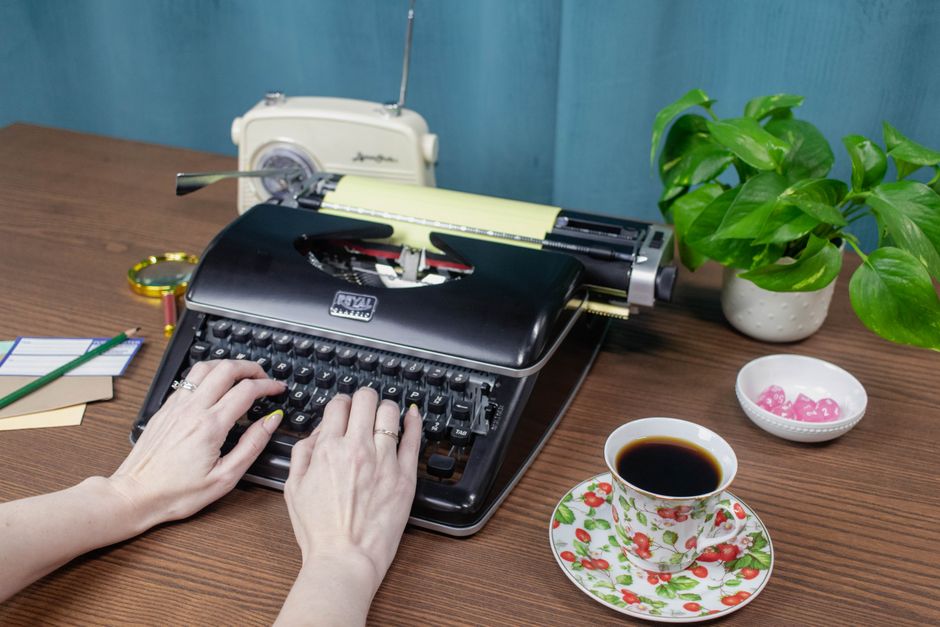
This nostalgia for analog culture is not unique to me, nor is it limited to music. In recent years, we've seen a resurgence of interest in all sorts of analog technologies and experiences, from film photography to board games, and from handwritten letters to vintage clothing. It's as if, in our increasingly digital lives, we're craving a sense of authenticity and connection to the physical world that only these analog experiences can provide.
The Rise of Analog Culture
One of the primary drivers of this trend is the growing recognition of the limitations and drawbacks of digital culture. While the internet and social media have undoubtedly opened up new avenues for connection and creativity, they've also been shown to have a profound impact on our mental and emotional well-being. The constant stream of information, the curated highlight reels of our friends' and acquaintances' lives, and the endless opportunities for comparison and competition can be overwhelming and alienating.
In contrast, analog experiences offer a sense of intimacy and immediacy that digital ones often can't match. When we listen to music on vinyl, we're not just hearing the music itself, but also the crackle of the needle, the pop of the static, and the tactile sensation of holding the record in our hands. When we take a photograph with a film camera, we're not just capturing an image, but also the physical process of loading the film, adjusting the aperture, and waiting for the picture to develop.
The Beauty of Imperfection
Another key aspect of analog culture is its inherent imperfection. Unlike digital technologies, which often strive for precision and perfection, analog experiences are inherently flawed and unpredictable. A vinyl record may skip or warp, a film photograph may be overexposed or blurry, and a handwritten letter may be scribbled out in haste. But it's precisely this imperfection that gives analog experiences their charm and character.
In a world where digital technologies are increasingly prevalent, it's easy to get caught up in the idea that perfection is the ultimate goal. We strive for flawless skin, flawless bodies, and flawless relationships, and we're often disappointed when reality falls short. But analog culture offers a refreshing alternative to this cult of perfection, reminding us that it's okay to be imperfect, that mistakes can be beautiful, and that the unpredictable nature of life is what makes it worth living.
As I sat in my living room, listening to the warm, crackling sound of my vinyl records, I felt a sense of connection to the world around me that I rarely experience in my digital life. It was a feeling of being grounded, of being present, and of being fully engaged with the physical world. And it's a feeling that I believe we could all benefit from, in this increasingly digital age.