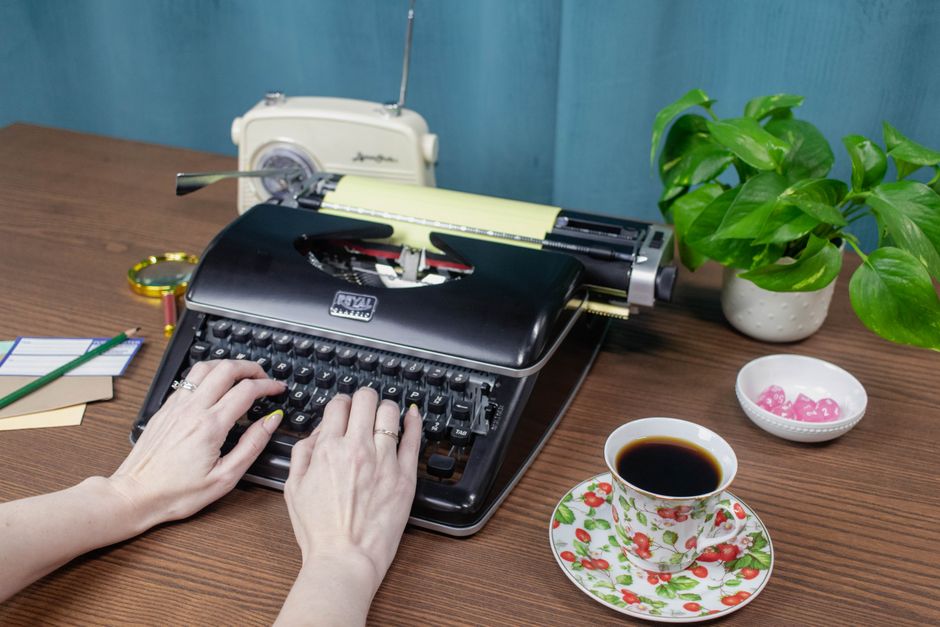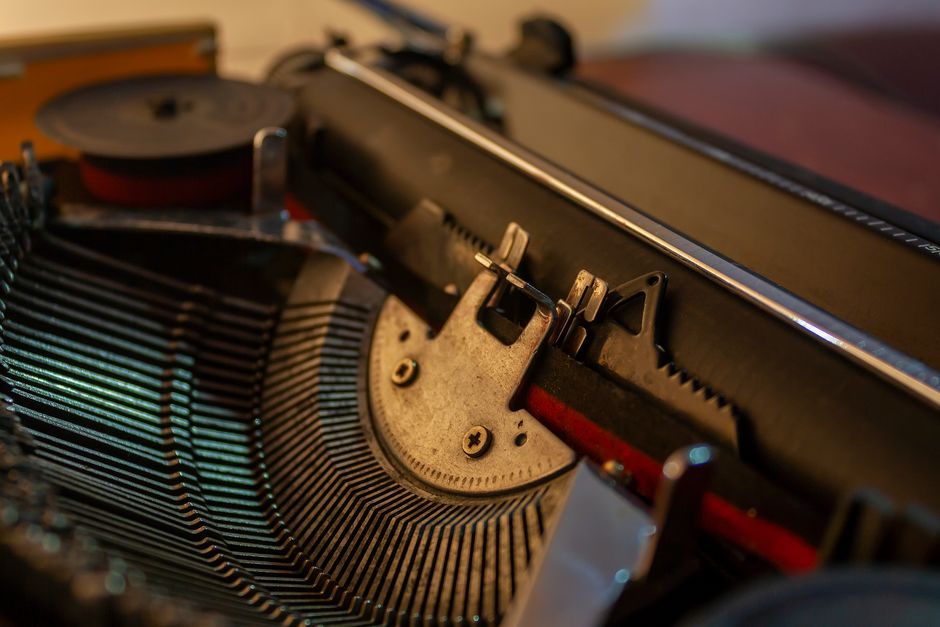
As I sit at my desk, surrounded by the faint glow of screens and the soft hum of machinery, I am reminded of the profound impact that technology has had on our creative lives. We can now produce, edit, and share our work with unprecedented ease and speed, thanks to the numerous digital tools at our disposal. And yet, despite the many advantages of this digital revolution, I find myself longing for a more tactile, more human approach to creativity – one that values the imperfections and nuances of the analog world.
The Resurgence of Traditional Crafts
In recent years, there has been a noticeable resurgence of interest in traditional crafts, from painting and printmaking to woodworking and pottery. These activities, which were once considered quaint and old-fashioned, are now being embraced by a new generation of artists and makers who are seeking a more authentic, more hands-on approach to creativity. For many of these individuals, the appeal of analog creativity lies in its ability to slow down the creative process, to encourage experimentation and risk-taking, and to produce unique, one-of-a-kind objects that reflect the personality and character of their creators.
The Beauty of Imperfection
One of the most significant advantages of analog creativity is its tendency to produce imperfect, irregular results. Unlike digital tools, which can often generate flawless, cookie-cutter outcomes, analog techniques like painting and printmaking are prone to happy accidents and unexpected surprises. These imperfections, which might otherwise be viewed as mistakes, can add a touch of humanity and warmth to a piece, making it feel more relatable, more accessible, and more alive. As I reflect on my own experiences with analog creativity, I am reminded of the many hours I spent as a child, pouring over my mother's old art supplies, experimenting with different materials and techniques, and marveling at the strange, unpredictable beauty of the creative process.
As I grew older, my interest in analog creativity only deepened, and I began to explore a wide range of traditional crafts, from woodworking and pottery to sewing and embroidery. Each of these activities presented its own unique challenges and rewards, but all shared a common thread – a deep appreciation for the tactile, the tangible, and the imperfect. Whether I was carving a wooden spoon, throwing a pot, or stitching a quilt, I felt a sense of connection to the material, to the process, and to the long line of craftsmen and women who had come before me.
The Digital- Analog Divide
Despite the many advantages of analog creativity, there is no denying the significant role that technology plays in our lives. Digital tools have revolutionized the way we work, communicate, and express ourselves, and it is unlikely that we will ever fully abandon them. However, as we become increasingly dependent on technology, it is essential that we remember the value of analog creativity, and make time for activities that allow us to unplug, unwind, and reconnect with the world around us. By embracing both the digital and the analog, we can create a more balanced, more nuanced approach to creativity – one that leverages the strengths of each, while minimizing their respective weaknesses.
In conclusion, the allure of analog creativity in a digital world is a powerful reminder of the importance of balance, of diversity, and of the human touch. As we move forward in this increasingly complex, increasingly technological world, it is essential that we hold on to the things that make us unique, that make us human – our imperfections, our quirks, and our passion for creating something beautiful, something meaningful, and something real.