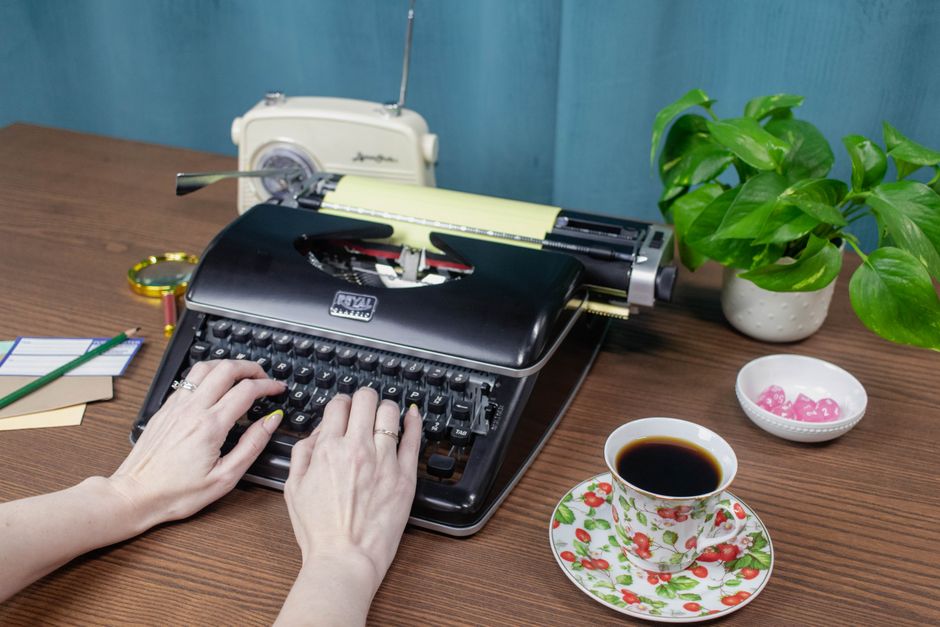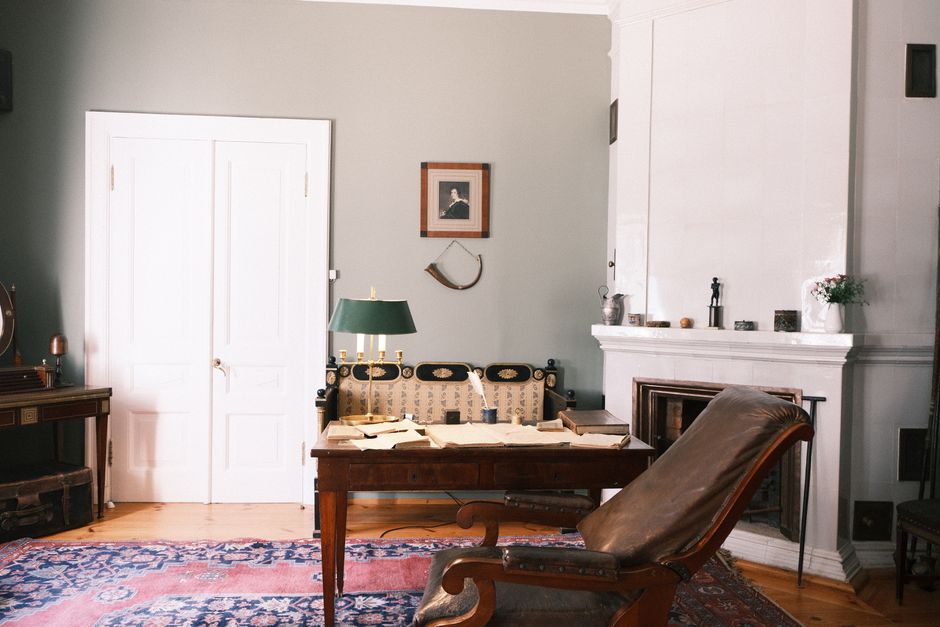
As I sit here, surrounded by the trappings of a bygone era - a vintage typewriter, a stack of dog-eared novels, and a collection of handmade journals - I am reminded of the enduring power of analog creativity. In an age where digital tools have made it easier than ever to produce and share our work, it's surprising to find that many artists and artisans are opting for a more tactile approach.
The rise of social media has created a culture of instant gratification, where the value of a piece of art is often determined by the number of likes and shares it receives. But for those who have grown weary of the digital noise, analog creativity offers a refreshing respite. The feel of paper between your fingers, the sound of a pen scratching against the page, and the smell of ink and glue are all sensory experiences that are lost in the digital realm.
The appeal of analog
So, what is it about analog creativity that is so appealing? For some, it's the meditative quality of working with physical materials. The repetitive motion of knitting, the flow of paint across a canvas, and the careful attention required to craft a piece of furniture all have a calming effect on the mind. In a world where we are constantly bombarded with digital stimuli, the simple act of creating something with our own two hands can be a powerful antidote to stress and anxiety.
Others are drawn to the unique characteristics of analog media. The imperfections and quirks of a handmade object are often seen as a badge of honor, a sign that the creator has poured their heart and soul into the work. In contrast, digital tools can sometimes produce results that are too perfect, too polished, and too uniform. The subtle variations in texture, color, and tone that are inherent in analog media are what give a piece of art its character and personality.
A new generation of makers
As I look around at the thriving community of analog creatives, I am heartened to see a new generation of makers who are embracing the tactile world with passion and enthusiasm. They are the ones who are driving the resurgence of interest in traditional crafts, from woodworking and pottery to printmaking and embroidery. They are the ones who are experimenting with new materials and techniques, pushing the boundaries of what is possible with analog media.
And yet, despite the many advantages of analog creativity, there are still those who would argue that digital tools are the only way forward. They point to the speed, efficiency, and accessibility of digital media, and claim that analog methods are slow, cumbersome, and outdated. But I would argue that this is a false dichotomy. The two are not mutually exclusive, and many artists and artisans are finding ways to combine the best of both worlds.
In the end, the choice between analog and digital is not a zero-sum game. It's about finding the right tool for the job, and being open to the possibilities and limitations of each. As we move forward in this digital age, it's comforting to know that there are still those who are committed to the tactile, the tangible, and the beautifully imperfect world of analog creativity.