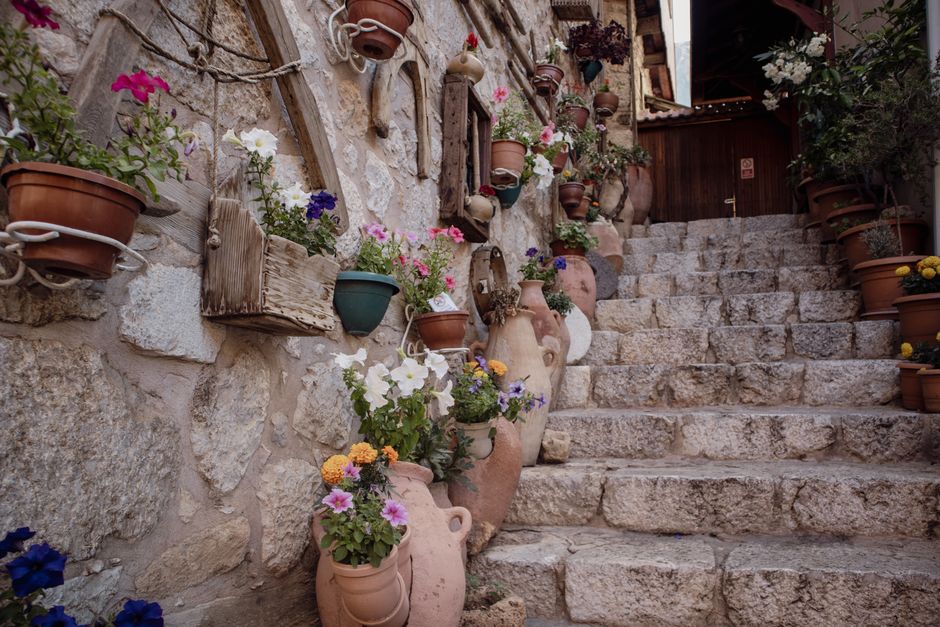
As you step out into the vibrant tapestry of spring, the air is alive with the sweet, heady scent of blooming flowers. It's a sensory experience that transcends the mundane, speaking directly to our emotions and memories. But beyond the immediate, visceral joy of spring florals, lies a complex web of cultural significations and historical narratives that warrant exploration.
The Evolution of Florals in Fashion
In the realm of fashion, spring florals have long been a staple, with designers continually reinterpreting and reimagining the classic motif. From the bold, colorful prints of the 1970s to the more subdued, watercolor-inspired designs of today, florals have remained a constant, albeit evolving, presence on the runway. This enduring appeal can be attributed, in part, to the emotional resonance of flowers, which have the power to evoke feelings of joy, love, and renewal.
Florals as a Form of Nonverbal Communication
Flowers have long been used as a form of nonverbal communication, conveying emotions and intentions through their color, shape, and arrangement. In the Victorian era, for example, the language of flowers, also known as floriography, was used to express secret messages and emotions. This tradition continues today, with flowers playing a significant role in various cultural and social rituals, from weddings and birthdays to funerals and holidays.
- The rose, with its rich, velvety petals, is often associated with love and passion, while the delicate, exotic orchid is frequently linked to luxury and refinement.
- The sunflower, with its bright, cheery blooms, is typically seen as a symbol of warmth and happiness, whereas the somber, elegant lily is often connected to purity and innocence.
As you navigate the complex, often contradictory world of floral symbolism, it's essential to consider the cultural and historical contexts in which these associations were formed. By doing so, you can develop a deeper understanding of the ways in which flowers have been used to convey meaning and tell stories throughout history.
Embracing the Beauty of Impermanence
One of the most poignant aspects of spring florals is their inherent impermanence. Like the fleeting nature of life itself, flowers bloom, flourish, and eventually fade, leaving behind a lingering memory of their beauty. This ephemeral quality can be seen as a powerful reminder to appreciate the present moment, to cherish the beauty that surrounds us, and to find joy in the simple, often overlooked details of everyday life.
As you embark on this journey of discovery, surrounded by the vibrant, pulsing energy of spring, remember that the true significance of florals lies not only in their aesthetic appeal, but in the rich emotional and cultural narratives they embody. By embracing the complexity and depth of these stories, you can cultivate a more nuanced, multifaceted understanding of the world around you, and the ways in which flowers continue to inspire, comfort, and transform us.